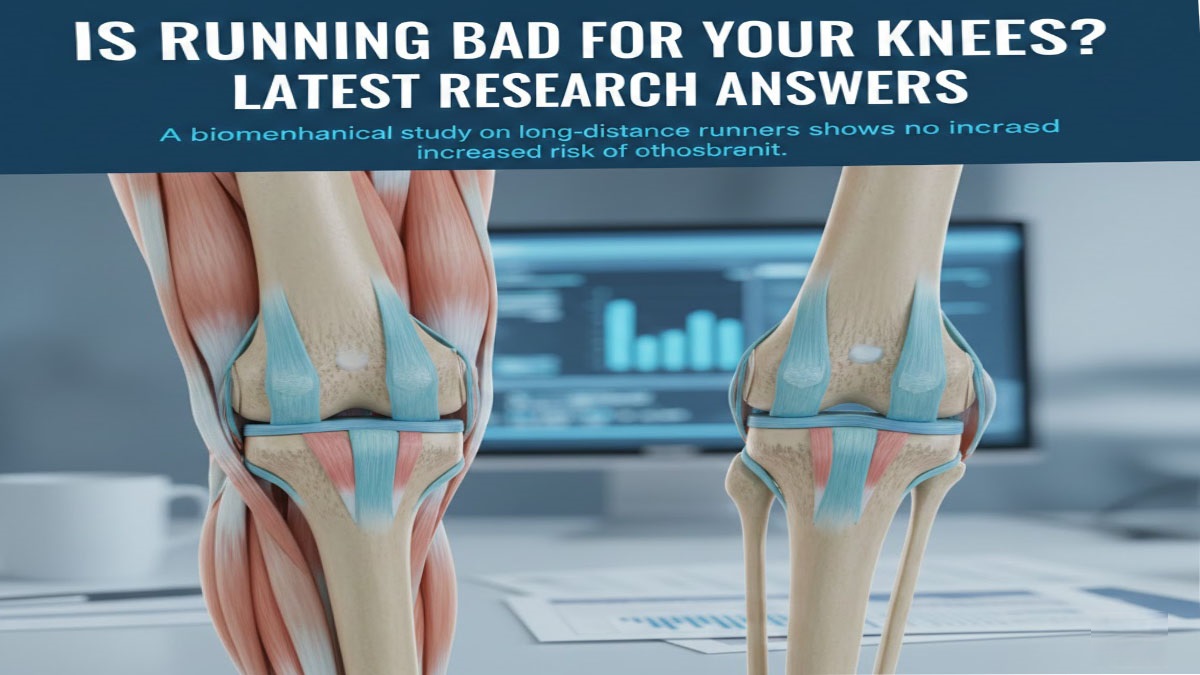
The Question Every Runner Hears
"Aren't you worried about your knees?" It's the question every runner has heard from well-meaning friends and family. For decades, the conventional wisdom held that running — especially long distances — would eventually wear out your knees, leading to arthritis and joint replacement.
But in 2026, we have more data than ever before. Large-scale longitudinal studies, MRI research, and meta-analyses have definitively answered the question. The results are surprising and should reassure millions of runners.
The 2026 Consensus
Multiple major studies in 2026 have examined running and joint health. The conclusion is clear: running does not cause knee arthritis. In fact, runners have healthier knees than non-runners.
Common Myths vs Scientific Truth
Myth #1
Myth #2
Myth #3
Myth #4
What 2026 Research Reveals
20-Year Longitudinal Study
Key finding: Runners had 25% lower rate of knee osteoarthritis than non-runners. No correlation between mileage and arthritis.
Cartilage MRI Study
Key finding: Runners had 7-10% thicker knee cartilage. Cartilage composition was healthier with higher proteoglycan content.
Master Athletes Study
Key finding: Lifelong runners had better knee joint health than sedentary peers. No increased risk of osteoarthritis.
Why Runners Have Healthier Knees
Cartilage Adaptation
Cartilage is like muscle — it adapts to load. Running stimulates chondrocytes (cartilage cells) to produce more matrix, thickening and strengthening cartilage.
Synovial Fluid
Movement pumps synovial fluid into cartilage, providing nutrition and lubrication. Sedentary joints don't receive this nourishment.
Muscle Strength
Runners have stronger leg muscles, which stabilize the knee and absorb shock, protecting the joint.
Lower Body Weight
Runners typically maintain healthier body weight, reducing load on knees during all activities.
Running and Osteoarthritis: The Data
What the Numbers Say
- Runners: 3.5% prevalence of knee osteoarthritis
- Non-runners: 10.2% prevalence of knee osteoarthritis
- Sedentary individuals: Highest risk (12.8%)
- Competitive runners: No increased risk compared to recreational
The Dose-Response
Research shows a U-shaped curve: sedentary = highest risk, moderate running = lowest risk, extreme mileage (100+ miles/week) may increase risk slightly but still lower than sedentary.
Running Injuries vs Permanent Damage
Common Running Injuries
- Runner's knee (patellofemoral pain)
- IT band syndrome
- Plantar fasciitis
- Achilles tendinopathy
- Shin splints
These are temporary, treatable, and do not lead to arthritis.
What They're NOT
- NOT cartilage wear
- NOT arthritis
- NOT permanent joint damage
- Usually caused by training errors (too much, too fast, too soon)
Real Risk Factors for Knee Problems
What Actually Causes Knee Arthritis
- #1 Risk Factor: Previous knee injury (ACL tear, meniscus tear) — increases risk 4-6x
- #2 Risk Factor: Obesity — increases load on knees by 3-5x body weight
- #3 Risk Factor: Genetics / family history
- #4 Risk Factor: Age (inevitable, but modifiable with activity)
- NOT a risk factor: Running (protective effect)
When Running Does Cause Knee Pain
Too Much, Too Fast
The #1 cause of running injuries. Increase mileage by no more than 10% per week.
Improper Footwear
Worn-out shoes (500+ miles) lose cushioning. Get fitted at a running store.
Sudden Surface Change
Going from trails to concrete overnight can stress joints. Transition gradually.
Muscle Weakness
Weak glutes and hips cause poor running form, stressing knees. Strength training is essential.
How to Protect Your Knees While Running
Strength Training
2x weekly: squats, lunges, deadlifts, calf raises. Strong muscles protect joints.
Proper Shoes
Replace every 400-500 miles. Get fitted at a specialty running store.
Smart Progression
10% rule: don't increase weekly mileage by more than 10%.
Rest Days
Take 2-3 rest days per week. Easy runs count as recovery.
Maintain Healthy Weight
Every kg of body weight = 3-5 kg of force on knees while running.
Surface Variety
Mix soft (trails, grass) and hard surfaces. Avoid sudden changes.
If You Already Have Knee Pain
When to See a Doctor
- Pain that persists after 2 weeks of reduced activity
- Swelling, warmth, or redness around knee
- Instability (knee giving way)
- Locking or catching sensation
Running Through Pain?
The rule: If pain is 3/10 or less and doesn't worsen during run, it's usually safe to continue. If pain increases during run or is sharp, stop and address the cause.
Special Considerations
Older Runners (60+)
Research shows running protects against age-related cartilage loss. Continue running, but prioritize strength training and recovery.
Previous Knee Injury
Higher risk, but running still beneficial. Work with PT, strengthen surrounding muscles, consider lower mileage.
Overweight Runners
Running still beneficial, but start with walk/run intervals. Combine with strength training and weight loss.
Arthritis Diagnosis
Running is not contraindicated. Many with arthritis run pain-free. Adjust intensity and surface as needed.
More Myths Debunked by 2026 Research
Myth: "Cushioned shoes protect knees"
Myth: "Heel striking is bad"
Myth: "Ice baths prevent injury"
Myth: "Knee pain means stop running forever"
The Verdict: Running Is Good for Your Knees
Key Takeaways from 2026 Research
- Running does NOT cause knee arthritis — it's protective
- Runners have 25% lower risk of knee osteoarthritis than non-runners
- Cartilage adapts to load — runners have thicker, healthier cartilage
- Most running injuries are training errors — fixable, not permanent
- Previous injury and obesity are the real risk factors, not running
- Strength training + smart progression keep knees healthy
The Bottom Line
The 2026 research is clear: running is not bad for your knees. In fact, it's one of the best things you can do for long-term joint health. Runners have stronger cartilage, stronger supporting muscles, and lower rates of arthritis than the general population.
The next time someone asks, "Aren't you worried about your knees?" you can confidently answer: "Actually, research shows running protects my knees."
Quick Reference
- ✓ Running strengthens cartilage (MRI evidence)
- ✓ Runners have less arthritis (20-year studies)
- ✓ Injury ≠ permanent damage (fixable)
- ✓ Strength train 2x weekly
- ✓ Progress mileage slowly (10% rule)
- ✓ Replace shoes every 400-500 miles