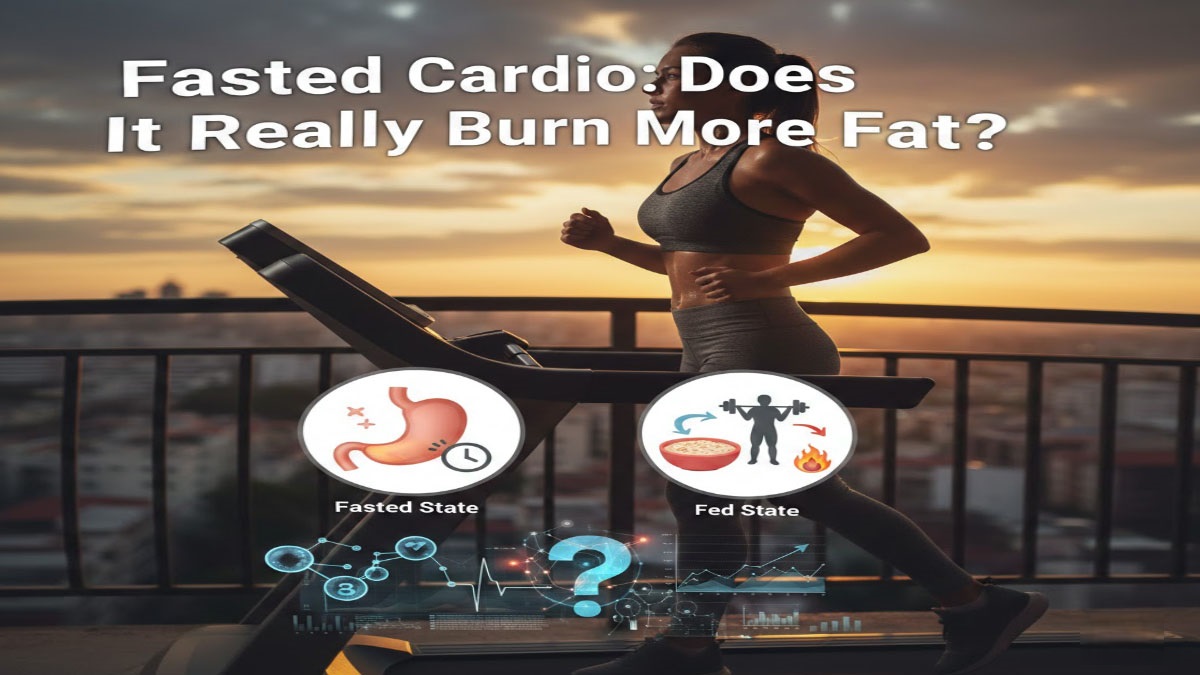
The Fasted Cardio Phenomenon
It's a staple of fitness influencers and bodybuilders: wake up, roll out of bed, and hit the treadmill before eating anything. The claim? Fasted cardio burns more fat. But is there science behind the hype, or is it just another fitness myth?
In 2026, researchers have taken a closer look at fasted versus fed exercise, and the results are in. While fasted cardio does increase fat burning during the workout itself, the long-term effects on fat loss tell a different story . Here's what the latest research reveals.
What Is Fasted Cardio?
Fasted cardio means performing aerobic exercise after a period of fasting, typically 8-12 hours without food. Most commonly, this is done first thing in the morning after an overnight fast . The theory is that with low glycogen stores, your body will tap into fat stores for fuel.
During the Workout: Yes, More Fat Burned
70% More Fat Oxidation
A study found that people who exercised after a 7-hour fast burned about 70% more fat during a 30-minute cycling session compared to those who ate 2 hours before .
2016 Meta-Analysis
Aerobic exercise performed in a fasted state caused higher fat oxidation than exercise performed after eating. Low insulin levels allow the body to access stored fat more easily .
The Mechanism
When you're fasting, insulin levels are low. Low insulin signals your body to break down fat cells and use fatty acids for energy. Fed状态下, insulin is higher, and your body prefers to burn circulating glucose and glycogen .
Long-Term Fat Loss: The Surprising Truth
4-6 Week Studies: No Difference
Here's where it gets interesting. Studies comparing fasted and fed exercise over 4 to 6 weeks show that both groups lose the same amount of body fat when calories are matched .
- Why? Your body compensates. When you burn more fat during exercise, you tend to burn more carbohydrates later in the day. When you burn more carbs during exercise, you burn more fat later. Over 24 hours, it evens out .
- Bottom line: Total daily calorie balance matters more than the timing of your pre-workout meal .
Schoenfeld et al. Meta-Analysis (2014)
No significant differences in fat loss or body composition between fasted and non-fasted aerobic exercise. Overall energy balance is the dominating factor .
Common Myths vs. Scientific Truth
Myth #1
Myth #2
Myth #3
Myth #4
Best Exercises for Fasted Training
✅ Good Fasted Options
- Walking (30-60 min)
- Light jogging
- Cycling (moderate pace)
- Elliptical
- Yoga / stretching
- Light bodyweight circuits
⚠️ Avoid Fasted
- Heavy weight training
- HIIT / sprint intervals
- Long endurance (90+ min)
- CrossFit-style workouts
- Competitive sports
High-intensity activities need quick energy from carbohydrates. Performance drops fasted, and muscle breakdown increases .
Does Fasted Cardio Burn Muscle?
The Protein Factor
- For cardio under 60 min: No significant muscle loss. Your body has enough stored energy .
- For weight training: Fasted lifting increases muscle protein breakdown. Nitrogen losses more than double in glycogen-depleted states .
- The fix: Eat 20-40g protein within 2-3 hours after fasted training to switch from breakdown to building .
Intermittent Fasting + Resistance Training
Lean body mass was maintained in most cases. Five out of 8 studies showed significant fat loss while keeping muscle when protein intake was adequate . Another 2026 study found IF combined with resistance training improved lean mass retention .
Who Should Avoid Fasted Cardio?
Diabetes
Those on insulin or glucose-lowering meds have higher hypoglycemia risk. Blood sugar can drop dangerously .
Low Blood Sugar History
If you're prone to dizziness, shakiness, or fainting, fasted exercise can trigger symptoms .
Pregnancy
Pregnant women need consistent nutrients. Fasted exercise may affect blood sugar for both mother and baby .
Thyroid Disorders
Those with hyperthyroidism whose symptoms aren't well-managed should be cautious, as intense fasted exercise could be dangerous .
Eating Disorders
Anyone with a history of disordered eating should avoid fasting protocols .
Serious Athletes
If your goal is maximum muscle gain or performance, fasted training is counterproductive .
Warning Signs: When to Stop
If you experience any of these during fasted cardio, stop immediately and eat something :
- Dizziness or lightheadedness
- Shakiness or weakness
- Nausea
- Confusion or difficulty concentrating
- Sweating more than normal for effort
These are signs of exercise-induced hypoglycemia (low blood sugar). Drink juice or eat 15g carbohydrates, rest 15-20 minutes .
How to Do Fasted Cardio Right
Duration
30-60 minutes max. Longer sessions risk muscle breakdown .
Intensity
Low to moderate. You should be able to hold a conversation .
Hydration
Drink water before and during. Fasting can dehydrate you .
Coffee?
Black coffee is fine and may boost performance. No cream/sugar .
Post-Workout Nutrition
- For cardio: Protein + carbs within 2-3 hours (ideal ratio 4:1 carbs:protein) .
- For weights: 20-40g protein as soon as practical to stop muscle breakdown .
- Examples: protein shake + banana, chicken + rice, eggs + toast
What 2026 Research Adds
IF + Aerobic Exercise Study
6-week study on masked obese men found intermittent fasting combined with aerobic exercise improved lean mass retention and cardiovascular function compared to IF alone .
IF + Resistance Training Study
8-week trial on obese males: IF group lost twice the weight and fat, with no negative effects on muscle strength or testosterone:cortisol ratio .
These studies confirm that fasting protocols combined with exercise are effective, but they emphasize that adequate nutrition and protein intake are critical .
Pros and Cons Summary
Pros
- Burns more fat during workout
- Convenient (morning, no prep)
- May improve insulin sensitivity
- Can help with appetite regulation
- Fits intermittent fasting protocols
Cons
- No long-term fat loss advantage
- Reduced performance for high intensity
- Risk of hypoglycemia for some
- Can increase muscle breakdown (weights)
- Not suitable for everyone
The Verdict: Does Fasted Cardio Burn More Fat?
Key Takeaways from 2026 Research
- During workout: Yes, 60-70% more fat burned
- Long-term (weeks): No difference when calories matched
- Best for: Low-moderate cardio under 60 min
- Avoid for: HIIT, heavy weights, long sessions
- Muscle loss: Not an issue with adequate daily protein
- Total calorie balance: Still the #1 factor for fat loss
The Bottom Line
Fasted cardio does increase fat burning during the workout itself, but this does not automatically translate to greater fat loss over time. Your body compensates across the day, and total calorie balance remains king .
For healthy people doing moderate morning cardio, fasted training is safe and can be a convenient habit. But for high-intensity workouts, strength training, or anyone prone to low blood sugar, eating beforehand is smarter .
Choose the approach that fits your schedule and makes you feel good. Consistency and total calorie balance matter far more than whether you eat before your workout .
Quick Decision Guide
- ✅ Choose fasted if: Morning person, moderate cardio, convenient, fits schedule
- ✅ Choose fed if: HIIT, weights, long sessions, feel weak/dizzy fasted
- ✅ Either works for: Fat loss (same long-term results)
- ⚠️ Avoid if: Diabetes, low blood sugar history, pregnant, eating disorder history