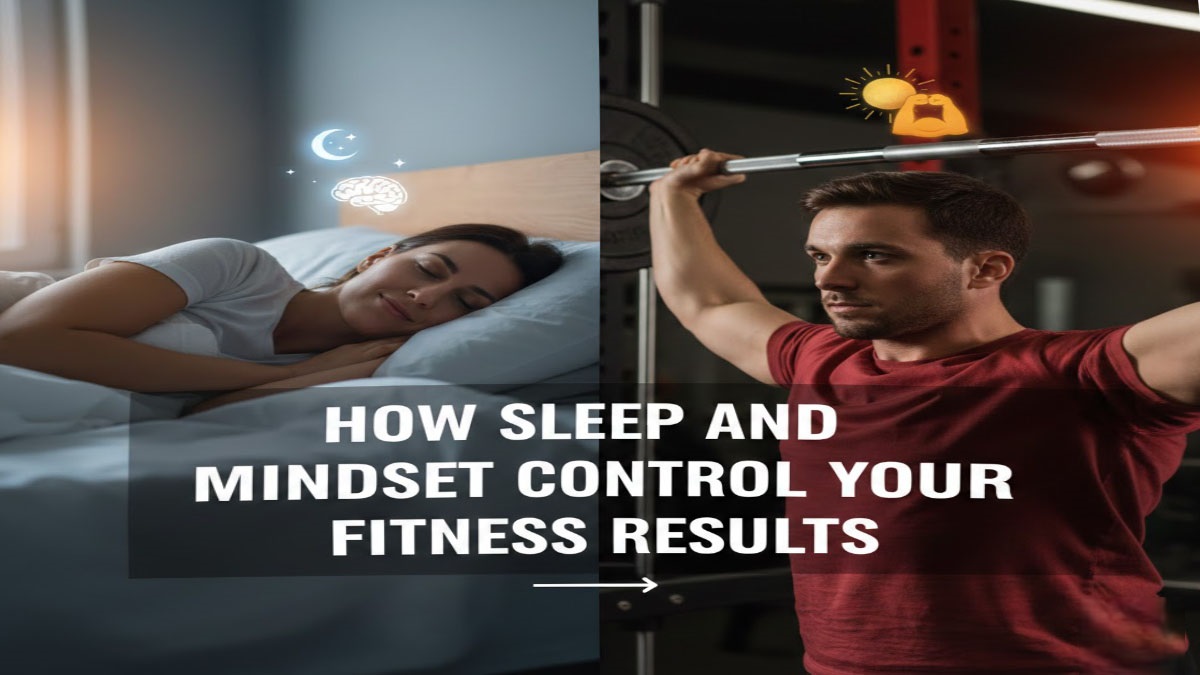
The Hidden Factors
You track your workouts. You count your protein. You push through every set. But if you're not sleeping enough and your mindset is off, you're leaving gains on the table.
In 2026, research has solidified what elite athletes have always known: sleep and mindset aren't optional extras — they're foundational. They control hormone levels, recovery, motivation, and even how your body responds to training. Here's what the science says.
The 2026 Research
Key finding: Sleep deprivation reduces muscle protein synthesis by 20-30%, increases cortisol, and impairs cognitive function. Mindset affects everything from motivation to pain perception. Together, they can make or break your results.
Sleep: The Ultimate Recovery Tool
Muscle Growth Happens During Sleep
During deep sleep, your body releases growth hormone, repairs muscle tissue, and synthesizes protein. Skimping on sleep directly impairs muscle growth. One study found that just one night of poor sleep reduced protein synthesis by 20%.
Cortisol and Stress Hormones
Cortisol is catabolic — it breaks down muscle tissue. Sleep deprivation elevates cortisol, putting your body in a state where it's harder to build muscle and easier to store fat.
Testosterone and Growth Hormone
Testosterone and growth hormone — key anabolic hormones — are released primarily during sleep. Chronic sleep loss lowers both, directly impacting muscle growth and recovery.
Recovery and Inflammation
Sleep reduces inflammation, accelerates recovery, and repairs connective tissue. Athletes who sleep 8+ hours have lower injury rates and faster recovery between sessions.
Cognitive Function and Motivation
Sleep deprivation impairs decision-making, reduces motivation, and increases perceived effort. Workouts feel harder when you're tired, and you're more likely to skip them.
Appetite Hormones
Ghrelin (hunger hormone) goes up. Leptin (satiety hormone) goes down. You get hungrier and feel less satisfied — a recipe for overeating.
What Sleep Research Shows
Sleep and Muscle Growth
Subjects who slept 5.5 hours vs 8.5 hours had 20-30% lower muscle protein synthesis. They also had higher cortisol and lower testosterone.
Athlete Recovery Study
Athletes who slept 8+ hours had faster reaction times, better accuracy, and improved mood compared to those sleeping less than 7 hours.
Sleep and Injury Risk
Adolescent athletes sleeping less than 8 hours were 1.7x more likely to sustain an injury than those sleeping 8+ hours.
Mindset: The Psychological Foundation
Growth Mindset
People with a growth mindset believe they can improve through effort. They embrace challenges, persist through setbacks, and see failure as learning. This mindset predicts long-term fitness success better than any other factor.
Self-Compassion vs Self-Criticism
When you miss a workout or eat something "bad," do you beat yourself up or show compassion? Self-compassion leads to faster recovery and better long-term consistency. Self-criticism leads to shame spirals and quitting.
Process vs Outcome Focus
Focusing on outcomes (lose 10kg) leads to frustration when progress is slow. Focusing on process (show up 3x this week) builds consistency and motivation through small wins.
Identity-Based Habits
"I'm someone who exercises" beats "I'm trying to get fit" every time. Identity drives behavior. When you see yourself as a fit person, choices become automatic.
Stress Management
Chronic stress elevates cortisol, impairs recovery, and reduces motivation. Mindset practices like meditation, gratitude, and reframing can lower stress and improve outcomes.
Enjoyment and Intrinsic Motivation
People who exercise because they enjoy it stick with it long-term. Those who exercise for external reasons (looks, pressure) quit when results are slow. Find movement you love.
What Mindset Research Shows
Growth Mindset and Fitness
People with growth mindset were 3x more likely to maintain exercise habits at 6 months than those with fixed mindset.
Self-Compassion Study
Participants who practiced self-compassion after diet slips were less likely to binge and more likely to get back on track than those who used self-criticism.
Placebo and Expectation
Belief alone activated natural endorphin systems, reducing pain by over 20% in some participants. Mindset creates real physiological change.
Mindset Practices That Work
Journaling
Write down 3 things you're grateful for daily. This shifts focus to positive and reduces stress.
Positive Self-Talk
Catch negative thoughts ("I'm so weak") and reframe ("I'm getting stronger every day").
Visualization
Before workouts, visualize successful performance. This primes neural pathways and builds confidence.
Self-Compassion Practice
When you slip, talk to yourself like you would a friend. "It's okay. You'll do better next time."
Process Goals
Set goals you control: "Work out 3x this week" not "lose 5kg." Celebrate each win.
Identity Affirmations
Say it: "I'm someone who values health." "I'm the kind of person who exercises."
Sleep Hygiene: How to Get Better Sleep
Consistent Schedule
Same bedtime and wake time, even weekends. Your circadian rhythm loves routine.
Dark Room
Blackout curtains, eye mask, no electronics. Melatonin needs darkness.
Cool Temperature
65-68°F (18-20°C) is optimal for sleep. Your body temperature drops to initiate sleep.
No Screens 1 Hour Before
Blue light suppresses melatonin. Read a book, stretch, or meditate instead.
Limit Caffeine
No caffeine after 2 PM. Caffeine has a 6-hour half-life — it stays in your system.
Limit Alcohol
Alcohol disrupts deep sleep and REM. You may fall asleep faster, but quality suffers.
Daily Movement
Exercise improves sleep quality, but avoid intense workouts within 2 hours of bedtime.
Wind-Down Routine
30 minutes of relaxing activities: reading, stretching, journaling, meditation.
Morning Sunlight
10-15 minutes of natural light early in the day sets your circadian rhythm.
The Interconnection: Sleep and Mindset
How They Influence Each Other
- Poor sleep → worse mood, less motivation, more negative thinking
- Negative mindset → stress, rumination, poor sleep quality
- Good sleep → better mood, more resilience, clearer thinking
- Positive mindset → lower stress, better sleep, more consistency
The Virtuous Cycle
Prioritize sleep → better mood and mindset → more consistent workouts → better results → more motivation → better sleep. It's a cycle that builds on itself.
Practical Application: Your Sleep & Mindset Plan
Week 1: Sleep Foundation
- Set consistent bedtime (aim for 7+ hours)
- No screens 1 hour before bed
- Track sleep (app or journal)
Week 2: Morning Mindset
- 10 minutes morning sunlight
- Write 3 things you're grateful for
- Set one process goal for the day
Week 3: Evening Wind-Down
- Create 30-minute bedtime routine
- No work or stressful conversations
- Read or meditate before sleep
Week 4: Integration
- Review sleep data — what's working?
- Notice how mindset affects workouts
- Adjust and continue
The Verdict: Sleep and Mindset Are Non-Negotiable
Key Takeaways from 2026 Research
- Sleep is when you grow: 7-9 hours for optimal muscle repair and hormone balance
- Sleep deprivation: Reduces protein synthesis 20-30%, increases cortisol, impairs recovery
- Mindset determines consistency: Growth mindset, self-compassion, identity drive long-term success
- They're connected: Good sleep improves mindset; positive mindset improves sleep
- Small changes compound: Consistent sleep hygiene and mindset practices yield big results
The Bottom Line
The 2026 research is clear: you can't out-train poor sleep and a negative mindset. They're not optional extras — they're the foundation. Prioritize 7-9 hours of quality sleep. Cultivate a growth mindset, self-compassion, and process focus.
When you sleep well and think well, everything else gets easier. Workouts feel better. Motivation comes more naturally. Results follow. Start tonight.
Your 7-Day Sleep & Mindset Challenge
- ✅ Day 1: Set a consistent bedtime (aim for 8 hours)
- ✅ Day 2: No screens 1 hour before bed
- ✅ Day 3: Morning sunlight + gratitude journal
- ✅ Day 4: Practice self-compassion after a slip
- ✅ Day 5: Create evening wind-down routine
- ✅ Day 6: Notice how sleep affects your workout
- ✅ Day 7: Review — and keep going