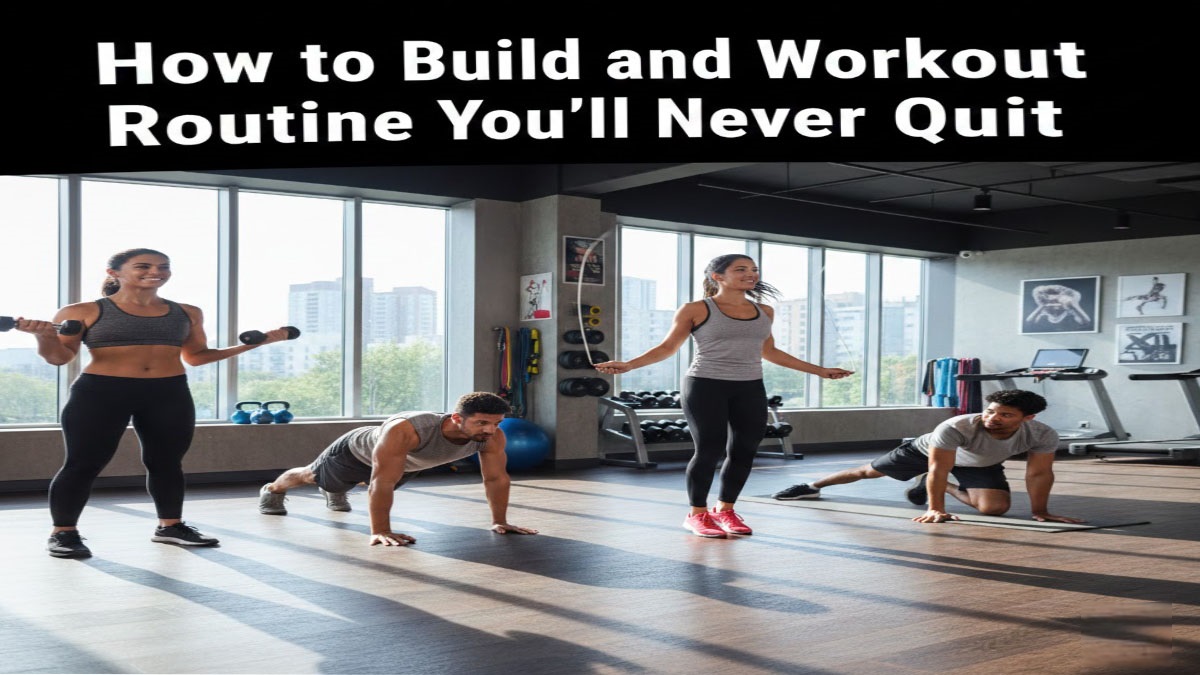
The Problem With Most Workout Plans
Most workout routines are designed by athletes for athletes. They assume you're motivated, have unlimited time, and love pushing your limits. But for the average person, these routines fail — not because they're ineffective, but because they're unsustainable.
In 2026, fitness psychologists have identified the key principles of workout routines that people actually stick with long-term. The secret isn't intensity or complexity. It's something far simpler. Here's how to build a routine you'll never quit.
The 2026 Research
Key finding: The most sustainable workout routines prioritize three things: enjoyment, flexibility, and consistency over intensity. People who stick with exercise for years don't have the "perfect" routine — they have one that fits their life.
The 7 Principles of Unquittable Workouts
1. Enjoyment First
This is non-negotiable. If you hate your workouts, you will quit. It doesn't matter if it's "optimal" — optimal means nothing if you don't do it. Find movement you genuinely enjoy, even if it's "just walking."
2. Start Embarrassingly Small
Most people start too hard and burn out. Start so small it feels almost ridiculous. 10-minute walks. Two workouts a week. The goal is to build the habit, not test your limits. You can always add more later.
3. Schedule, Don't Decide
Remove the daily decision. Put workouts in your calendar like appointments. "Monday/Wednesday/Friday at 6 PM" is a commitment, not a choice. When it's scheduled, you don't have to negotiate with yourself.
4. Make It Easy to Start
Reduce friction. Lay out clothes the night before. Pack your gym bag. Choose a gym on your commute. Have a home workout for busy days. The easier it is to start, the more likely you'll do it.
5. Build in Flexibility
Life happens. Rigid routines break. Have backup plans. If you miss Monday, have Tuesday as backup. If you can't make the gym, have a 20-minute home workout. Flexibility prevents quitting.
6. Get Accountability
Workout buddy, coach, class, app, online community. When others expect you, you show up. Accountability doubles adherence rates.
7. Celebrate Small Wins
Don't wait for big results. Celebrate showing up. Celebrate adding 2.5kg. Celebrate a good night's sleep. Small wins create dopamine loops that keep you coming back.
3 Sustainable Workout Templates
The Minimalist (2 days/week)
Day 1: Full body A — squats, push-ups, rows, plank
Day 2: Full body B — lunges, overhead press, pull-ups (or band rows), glute bridges
Why it works: Low frequency, simple exercises, sustainable for years. You can always add more later.
The Balanced (3 days/week)
Day 1: Full body — focus on compound lifts
Day 2: Full body — different exercises
Day 3: Full body — mix of both
Why it works: Three days is enough for results but leaves room for life. Alternating workouts prevents boredom.
The Flexible (Mix & Match)
Have 3-4 workout options:
- Option A: 45-min gym session (when you have time)
- Option B: 20-min home workout (busy days)
- Option C: 30-min outdoor walk/run (nice weather)
Why it works: You always have an option that fits your day. Something beats nothing.
How Many Days Should You Start With?
Phase 1: Foundation
2-3 days/week — Focus on habit formation, not intensity. Success = showing up.
Phase 2: Building
3-4 days/week — Add one day if you're consistent. Still prioritize showing up.
Phase 3: Maintenance
3-5 days/week — By now it's habit. You can add intensity, but only if you want to.
Practical Strategies That Work
The 5-Minute Rule
Commit to 5 minutes. After 5, you can stop. Usually you'll keep going. The win is starting.
Clothes Out the Night Before
Lay out everything. Reduces morning friction. Makes it harder to skip.
Non-Negotiable Appointment
Put it in your calendar. Treat it like a meeting with the most important person — you.
Create a Playlist
Music you love makes workouts feel easier. Only listen to it during exercise.
Have a Home Backup
20-minute bodyweight routine for days you can't make the gym. No excuses.
Find a Workout Buddy
Accountability doubles adherence. You'll go for them when you won't go for yourself.
Reward Yourself
Post-workout smoothie, favorite podcast only at the gym, new gear after 30 days.
Track Something
Habit tracker, workout log, steps. Seeing progress (even just showing up) motivates.
The Mindset Shift
From "Have to" to "Get to"
Exercise is a privilege. Many people can't move their bodies. Shift your language: "I get to work out today."
From Outcome to Identity
Not "I'm trying to get fit," but "I'm someone who exercises." Identity drives behavior.
From Perfect to Consistent
Missed workout? Doesn't matter. Get the next one. Perfection is the enemy of consistency.
From Punishment to Self-Care
Exercise isn't punishment for what you ate. It's self-respect. It's investing in your future.
Common Mistakes That Lead to Quitting
Starting Too Hard
6 days/week, 2-hour workouts. Burnout in 2 weeks. Start small, build slowly.
No Schedule
"I'll work out when I have time." You never have time. Schedule it.
All-or-Nothing Thinking
"I missed Monday, week is ruined." No. One miss doesn't erase progress. Get the next one.
Comparing to Others
Someone else's 100kg squat doesn't diminish your progress. Your only comparison is you yesterday.
No Backup Plan
Gym closed? Raining? No plan = skipped workout. Always have a backup.
Doing What You Hate
If you hate running, don't run. Find something you enjoy. Life's too short.
Design Your Routine: A Step-by-Step Guide
Step 1: Find Your Why
Why do you want to exercise? Energy? Health? Stress relief? Longevity? Connect to your deeper reason.
Step 2: Choose Activities You Enjoy
List 3-5 activities you actually like. Walking, swimming, lifting, yoga, dancing, hiking. Pick from these.
Step 3: Start with 2 Days
Commit to 2 workouts this week. That's it. Success = showing up twice.
Step 4: Schedule Them
Put them in your calendar. Treat them as non-negotiable.
Step 5: Reduce Friction
Prepare everything the night before. Make it easy to start.
Step 6: Get Accountability
Tell a friend, hire a coach, join a class. Someone expects you.
Step 7: Celebrate Every Win
After each workout, acknowledge it. "I did that. Good job me."
Step 8: Review and Adjust
After 4 weeks, assess. What's working? What's not? Adjust accordingly.
The Verdict: Build a Routine That Lasts
Key Takeaways from 2026 Research
- Enjoyment is everything: If you hate it, you'll quit. Find movement you love.
- Start small: 2-3 days, 20-30 minutes. Build the habit first.
- Schedule it: Remove the daily decision. Non-negotiable appointments.
- Reduce friction: Make it easy to start. Prepare the night before.
- Build flexibility: Have backup plans. Life happens.
- Celebrate small wins: Showing up is the win. Everything else is bonus.
The Bottom Line
The 2026 research is clear: the best workout routine isn't the most intense, most efficient, or most scientifically optimized. It's the one you'll actually do, consistently, for years.
Stop trying to find the "perfect" routine. Start with something simple. Make it easy. Make it enjoyable. Make it fit your life. Add more only when the habit is solid. This is how you build a routine you'll never quit.
Your 4-Week Starter Plan
- ✅ Week 1: 2 workouts. Any length. Celebrate showing up.
- ✅ Week 2: 2-3 workouts. Try one new activity.
- ✅ Week 3: 3 workouts. Focus on enjoyment, not intensity.
- ✅ Week 4: 3 workouts. Add 5 minutes if you want.
- ✅ Remember: Consistency beats intensity. This is for life.