The Hidden Saboteur
You're eating right. You're training hard. But the scale won't budge. Your strength isn't improving. What's going on?
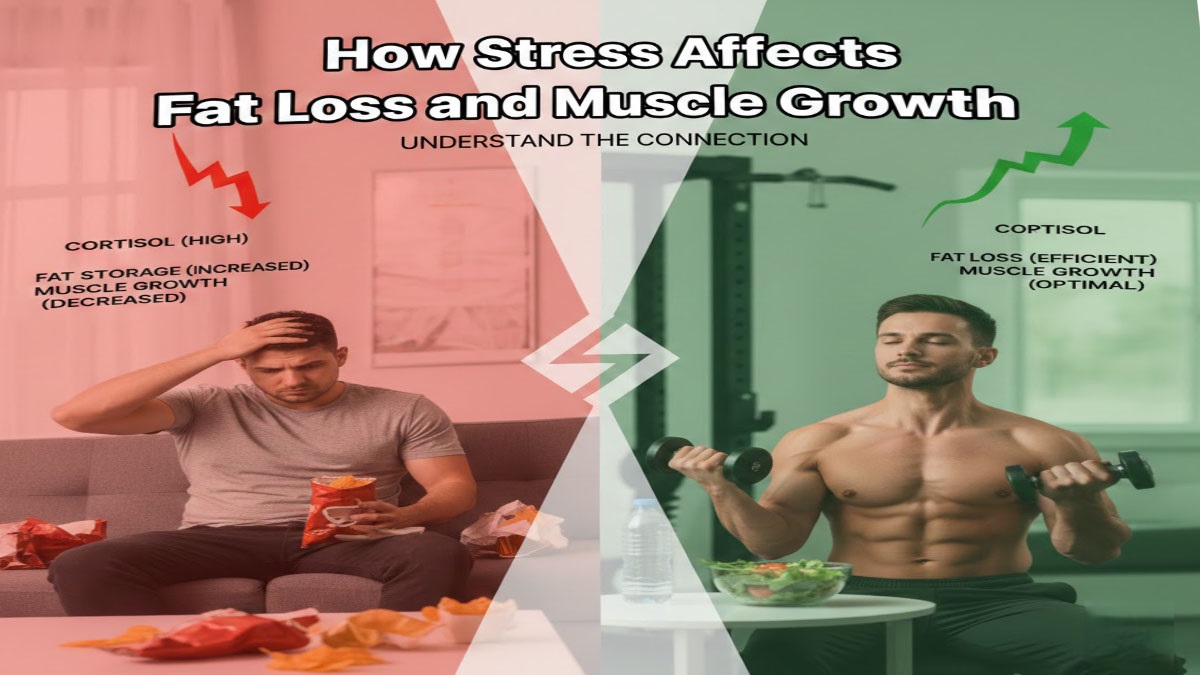
The answer might not be in your diet or workout plan. It might be in your head. In 2026, research increasingly shows that chronic stress is a major factor in body composition — and it's often overlooked. Stress hormones, especially cortisol, can completely sabotage your fitness efforts.
Here's how stress affects fat loss and muscle growth, and what you can do about it.
The 2026 Consensus
Key finding: Chronic stress elevates cortisol, which promotes abdominal fat storage, increases cravings, impairs muscle protein synthesis, and disrupts sleep and recovery. Managing stress is as important as diet and exercise.
Cortisol: The Stress Hormone
Cortisol 101
Cortisol is a stress hormone produced by the adrenal glands. It's essential for survival — it mobilizes energy, regulates inflammation, and helps you respond to threats. Short-term spikes are normal and even helpful.
How Stress Sabotages Fat Loss
Increased Cravings
Cortisol increases cravings for high-sugar, high-fat foods. It's a biological drive — your body thinks it needs quick energy to deal with a threat. This makes sticking to a nutrition plan much harder.
Belly Fat Storage
Cortisol promotes visceral fat storage (deep belly fat). Fat cells in the abdominal area have more cortisol receptors, making them more responsive to stress hormones. This is why stress creates "stress belly."
Insulin Resistance
Chronic cortisol raises blood sugar and promotes insulin resistance, making it harder for your body to use fat for fuel. High insulin = fat storage mode.
Sleep Disruption
Stress ruins sleep. Poor sleep increases ghrelin (hunger hormone) and decreases leptin (satiety hormone), making you hungrier and less satisfied. You crave carbs and eat more.
Lower Metabolism
Chronic stress can reduce resting metabolic rate. Your body conserves energy in perceived "danger" mode.
Less Movement
Stressed people move less — they skip workouts, take fewer steps, feel exhausted. NEAT (non-exercise activity) drops significantly.
How Stress Sabotages Muscle Growth
Impaired Protein Synthesis
Cortisol directly inhibits muscle protein synthesis. It tells your body to break down tissue, not build it. High cortisol = catabolic (muscle-wasting) state.
Testosterone Suppression
Chronic stress lowers testosterone, a key anabolic hormone for muscle growth. Cortisol and testosterone have an inverse relationship — when one is high, the other is low.
Poor Recovery
Muscle grows during rest, especially sleep. Stress-induced poor sleep means less growth hormone release and less recovery. You're tearing down muscle without rebuilding.
Reduced Performance
Stress drains mental and physical energy. Workouts suffer — less intensity, less focus, less volume. You can't build muscle with half-effort training.
Increased Injury Risk
Stressed muscles are tighter, recovery is slower, focus is reduced. Injury risk rises, sidelining you from training.
Overtraining Risk
Stress + training = higher total load on your system. What would be a manageable workout under low stress becomes overtraining under high stress.
The Vicious Cycle
How Stress Creates a Downward Spiral
- Stress increases cortisol
- Cortisol increases cravings and belly fat storage
- Weight gain causes more stress about body image
- More stress = more cortisol
- Poor sleep from stress increases hunger hormones
- More eating = more weight gain
- Low energy from stress = skipped workouts
- Less exercise = less stress relief
Signs Stress Is Affecting Your Progress
Weight Plateaus or Gain
You're eating well and training, but the scale won't move — or it's going up, especially around the belly.
Strength Plateaus or Drops
Your lifts aren't improving, or they're getting weaker despite consistent training.
Uncontrollable Cravings
You're constantly craving sugar, carbs, or junk food, especially at night.
Poor Sleep
Trouble falling asleep, waking up tired, not feeling refreshed.
Low Energy
Feeling exhausted even before workouts, needing caffeine just to function.
Brain Fog
Difficulty focusing, forgetfulness, feeling overwhelmed.
Irritability
Snapping at people, feeling on edge, low patience.
Loss of Motivation
Things you used to enjoy feel like a chore. You're skipping workouts.
Stress Management Strategies That Work
Morning Sunlight
10-15 minutes of natural light early in the day sets your circadian rhythm, improving sleep and mood.
Daily Movement
Not just workouts. Walking, stretching, gentle movement lowers cortisol. Aim for 7,000+ steps daily.
Prioritize Sleep
7-9 hours. Consistent bedtime. No screens 1 hour before bed. Dark, cool room. Sleep is when you recover.
Meditation/Mindfulness
10 minutes daily reduces cortisol. Apps like Headspace, Calm make it easy. Even deep breathing helps.
Social Connection
Time with friends, family, community lowers stress. Don't isolate when stressed — connect.
Eat for Stress
Stable blood sugar = stable mood. Protein at every meal, complex carbs, omega-3s, magnesium. Limit caffeine and alcohol.
Journaling
Writing down worries gets them out of your head. Reduces rumination and anxiety.
Nature Time
20 minutes in nature drops cortisol significantly. Green space, trees, water — even a park helps.
Boundaries
Learn to say no. Protect your time. Work-life balance isn't a luxury; it's essential for health.
Exercise: Stress Reliever or Stressor?
The Goldilocks Zone
- Too little: No stress relief, no fitness benefits
- Just right: Moderate exercise lowers cortisol, improves mood, enhances sleep
- Too much: Overtraining increases cortisol, especially if you're already stressed
Exercise Guidelines Under Stress
- Prioritize Zone 2 cardio (conversational pace) — lowers cortisol
- Reduce intensity if you're chronically stressed
- More rest days, deload weeks
- Listen to your body — sometimes a walk is better than a PR attempt
Nutrition Strategies for High Stress
Do This
- Eat protein at every meal (stabilizes blood sugar)
- Complex carbs (oatmeal, sweet potatoes, quinoa)
- Omega-3s (salmon, sardines, walnuts, fish oil)
- Magnesium-rich foods (spinach, pumpkin seeds, dark chocolate)
- Vitamin C (citrus, bell peppers, berries)
- Stay hydrated (dehydration increases cortisol)
Limit
- Caffeine (especially afternoon — disrupts sleep)
- Alcohol (increases cortisol, ruins sleep)
- Sugar (blood sugar spikes = stress on body)
- Skipping meals (low blood sugar = cortisol spike)
Supplements That May Help
Magnesium
300-400mg at night. Calms nervous system, improves sleep. Many are deficient.
Omega-3s (EPA/DHA)
1-2g daily. Reduces inflammation, supports brain health, may lower cortisol.
Ashwagandha
300-600mg daily. Shown to reduce cortisol in stressed individuals.
Rhodiola Rosea
200-400mg. May reduce fatigue and improve stress tolerance.
Vitamin D
1000-2000 IU. Deficiency linked to mood disorders.
L-Theanine
100-200mg. Promotes relaxation without sedation. Found in green tea.
Quick Stress Relief Techniques
4-7-8 Breathing
Inhale 4 sec, hold 7 sec, exhale 8 sec. Activates parasympathetic nervous system. Do 3-5 rounds.
5-Minute Nature Break
Step outside, look at trees/sky, take deep breaths. Lowers cortisol quickly.
Progressive Muscle Relaxation
Tense and relax each muscle group from toes to head. Releases physical tension.
Music
Listening to music you enjoy lowers cortisol. Even better if you sing along.
The Verdict: Manage Stress to Transform Your Body
Key Takeaways from 2026 Research
- Stress directly sabotages fat loss: Increases cravings, belly fat storage, insulin resistance
- Stress directly sabotages muscle growth: Impairs protein synthesis, lowers testosterone, ruins recovery
- Cortisol is the culprit: Chronic elevation creates a catabolic, fat-storing state
- Sleep is non-negotiable: 7-9 hours for hormone regulation and recovery
- Exercise moderation: Too much intensity adds to stress load
- Nutrition matters: Protein, complex carbs, omega-3s, magnesium support stress response
The Bottom Line
The 2026 research is clear: you can't out-train a stressed life. No diet or workout plan will work optimally if your stress hormones are chronically elevated. Managing stress isn't optional — it's a core component of fitness.
Prioritize sleep. Find stress relief that works for you. Eat to support your nervous system. Move your body in ways that feel good. Your physique — and your health — depend on it.
Your Stress Management Starter Kit
- ✅ 7-9 hours sleep, consistent bedtime
- ✅ 10 min morning sunlight
- ✅ 10 min meditation or deep breathing
- ✅ 7,000+ steps daily
- ✅ Protein at every meal
- ✅ Magnesium at night
- ✅ Limit caffeine after noon
- ✅ One nature break daily