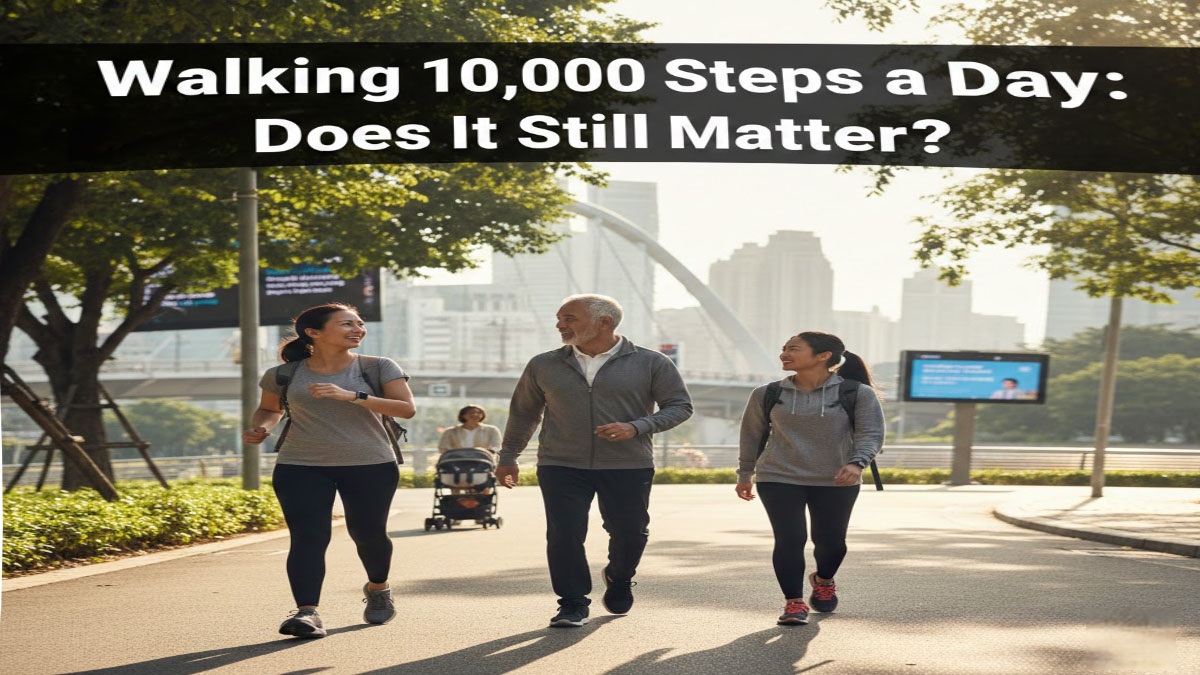
The Origin of 10,000 Steps
It's perhaps the most famous fitness goal in the world: 10,000 steps a day. But where did this number come from? Surprisingly, it wasn't science. In 1965, a Japanese company created a pedometer called "Manpo-kei" — which literally translates to "10,000 steps meter." The number was chosen because the Japanese character for 10,000 looks like a walking person. Marketing, not medicine.
For decades, we've chased this arbitrary number. But in 2026, we have more data than ever on the actual benefits of walking. New research from major universities and health organizations has finally answered the question: Does 10,000 steps still matter? And if not, what's the right number?
The 2026 Research
Multiple major studies published in 2025-2026 have re-examined the step count question. The most comprehensive, from the University of Massachusetts, followed 15,000+ participants for 5+ years to determine optimal step counts for health outcomes.
The Optimal Step Count: What Science Says
Source: University of Massachusetts 5-Year Longitudinal Study, 2026
What 2026 Research Reveals
Mortality Risk Study
Key finding: The largest drop in mortality risk occurs between 4,000 and 8,000 steps. Benefits plateau around 8,000-10,000 steps. No significant additional benefit beyond 10,000.
Women's Health Study
Key finding: Women averaging 4,400 steps/day had 41% lower mortality than sedentary. Benefits maxed at 7,500 steps.
Middle-Aged Adults Study
Key finding: 7,000+ steps daily associated with 50% lower risk of dementia and cognitive decline.
Health Benefits of Walking
Cardiovascular Health
Walking lowers blood pressure, improves cholesterol, and reduces heart disease risk by 30-40%.
Brain Health
7,000+ steps daily reduces dementia risk by 50%. Walking increases blood flow to the brain.
Weight Management
Walking burns calories and supports NEAT (Non-Exercise Activity Thermogenesis), the biggest variable in daily energy expenditure.
Joint Health
Walking lubricates joints, strengthens supporting muscles, and reduces arthritis pain.
Mental Health
Walking reduces anxiety, depression, and stress. Outdoor walking has additional mood benefits.
Longevity
8,000 steps daily adds years to life expectancy compared to sedentary lifestyle.
Does Intensity Matter?
Step Count vs Step Intensity
Researchers compared step count vs intensity (brisk walking vs casual pace):
- Step count was the primary driver of health benefits
- Intensity provided small additional benefits (5-10%)
- Conclusion: Total steps matter more than how fast you walk them
What This Means
Don't stress about pace. Just accumulate steps throughout the day. A 20-minute brisk walk is great, but 20 minutes of casual walking is still beneficial.
The NEAT Factor: Why Walking Matters for Weight
Non-Exercise Activity Thermogenesis
NEAT is all the energy you burn doing everything except sleeping, eating, and formal exercise. Walking is the biggest contributor to NEAT. Research shows:
- Sedentary person: 2,000 steps/day, NEAT burns 300-400 calories
- Active walker: 10,000 steps/day, NEAT burns 800-1,000 calories
- Difference: 500+ calories daily without "exercise"
The Weight Loss Implication
A 500-calorie daily deficit from walking alone equals 0.5kg fat loss per week — without dieting or gym sessions.
Practical Guide: How to Get Your Steps
Time Required
- 5,000 steps: ~40-50 minutes walking
- 8,000 steps: ~65-80 minutes walking
- 10,000 steps: ~80-100 minutes walking
Tips to Increase Steps
- Park farther from entrances
- Take walking meetings (phone calls while walking)
- Use stairs instead of elevators
- Walk during lunch break (15-20 min)
- Evening family walk after dinner
- Get off public transport one stop early
- Walk while waiting (appointments, pickup)
Common Step Count Myths Debunked
Myth: "You absolutely need 10,000 steps"
Truth: Optimal benefits occur at 7,000-9,000 steps. 10,000 is fine but not magic.
Myth: "Steps only count if they're continuous"
Truth: Accumulated steps throughout the day have the same benefits.
Myth: "Walking doesn't count as exercise"
Truth: Walking is excellent low-impact exercise with proven health benefits.
Myth: "More steps are always better"
Truth: Benefits plateau around 10,000. Excessive walking can cause overuse injuries.
How to Track Your Steps
Tracking Options (2026)
- Smartphones: Most have built-in step counters (Apple Health, Google Fit)
- Fitness trackers: Fitbit, Garmin, Whoop, etc. — most accurate
- Smartwatches: Apple Watch, Samsung Galaxy, etc.
- Pedometers: Simple, cheap, no smartphone needed
No Tracker? No Problem
30 minutes of walking ≈ 3,000-4,000 steps. 60 minutes ≈ 6,000-8,000 steps. Time is a reasonable proxy.
Step Count Recommendations by Age
Age-Based Guidelines (2026 Consensus)
- Under 60: 8,000-10,000 steps optimal
- 60-80: 6,000-8,000 steps optimal (reduces fall risk, maintains mobility)
- 80+: 4,000-6,000 steps beneficial (any movement helps)
- Children: 10,000-12,000 steps for healthy development
Walking Tips for Maximum Benefit
Post-Meal Walks
10-15 min walk after meals reduces blood sugar spikes by 20-30%.
Morning Walks
Set circadian rhythm, boost mood, and ensure steps before day gets busy.
Outdoor vs Treadmill
Outdoor walking burns slightly more calories (uneven terrain) and has greater mental health benefits.
Walk With Others
Social walking improves adherence and mental health.
The Verdict: Does 10,000 Steps Still Matter?
Key Takeaways from 2026 Research
- 10,000 steps is not magic — it's a marketing number from 1965
- Optimal for most adults: 7,000-9,000 steps daily
- Diminishing returns: Benefits plateau after 8,000-10,000 steps
- Any increase helps: Going from 3,000 to 6,000 steps has huge benefits
- Intensity less important: Total steps matter more than pace
- Walking is powerful: Reduces mortality, dementia, heart disease, and supports weight management
The Bottom Line
Don't stress about hitting 10,000 steps exactly. The research is clear: the biggest benefits come from simply moving more. If you're currently sedentary, aiming for 5,000-6,000 steps will dramatically improve your health. If you're already active, 7,000-9,000 steps is the sweet spot.
The magic number isn't 10,000. The magic is just moving.
Quick Start Guide
- ✓ Track your current average for one week
- ✓ If under 5,000: aim to add 1,000 steps daily
- ✓ If 5,000-7,000: aim for 8,000
- ✓ If over 8,000: maintain or enjoy bonus movement
- ✓ Add a 10-15 minute post-meal walk
- ✓ Take walking breaks during work
- ✓ Park farther, take stairs, move more