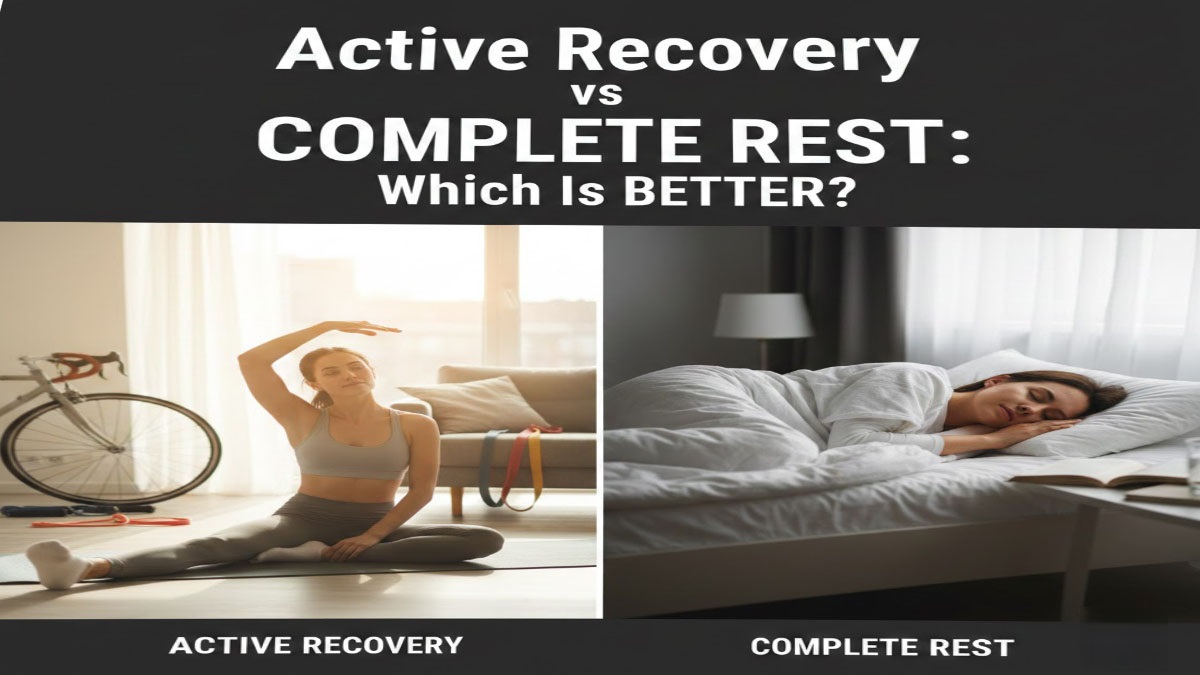
The Rest Day Dilemma
Rest days are essential — that's not up for debate. But what should you actually do on those days? Lie on the couch and do nothing? Or go for a light walk, some stretching, maybe an easy bike ride?
In 2026, research has compared active recovery and complete rest head-to-head. The answer isn't one-size-fits-all. Both have their place. Here's what the science says about which is better — and when.
The 2026 Research
Key finding: Both active recovery and complete rest are valuable. Active recovery reduces soreness and maintains mobility. Complete rest allows full CNS recovery and mental reset. The best approach depends on your training load and individual needs.
Active Recovery vs Complete Rest: Head-to-Head
Active Recovery
Light movement on rest days: walking, easy cycling, swimming, yoga, stretching.
- Increases blood flow to muscles
- Reduces muscle soreness (DOMS)
- Speeds removal of metabolic waste
- Maintains mobility and range of motion
- Keeps you in routine (easier to restart)
- Burns extra calories (small amount)
- Improves mood and reduces stress
Complete Rest
No structured activity. Sitting, lying down, normal daily movement only.
- Allows full CNS recovery
- Maximum energy conservation
- Mental break from training
- Prevents burnout
- Necessary after extreme exertion
- Allows joints and connective tissue to rest
- Sometimes needed for healing injuries
What 2026 Research Shows
Active Recovery vs Rest for Soreness
Active recovery (20 min easy cycling) significantly reduced muscle soreness compared to complete rest. Blood flow helped clear metabolic waste and deliver nutrients.
Performance Recovery Comparison
For moderate training loads, active recovery led to better next-day performance than complete rest. For very high training loads, complete rest was superior.
Active Recovery Modalities
Walking, easy cycling, and swimming were most effective. Intensity should be very low (Zone 1, conversational pace).
CNS Recovery Study
After heavy compound lifts (squats, deadlifts), complete rest was more effective for CNS recovery than active recovery.
When to Choose Active Recovery
After Moderate Workouts
Typical strength training, cardio sessions. Active recovery helps reduce soreness.
On Scheduled Rest Days
Between training days, a light walk or yoga keeps you moving without fatigue.
When You're Sore
Movement increases blood flow, which helps clear metabolic waste and reduces soreness.
When You Want to Stay in Routine
Active recovery keeps the habit of movement without the intensity.
For Mobility and Flexibility
Yoga, stretching, and light movement maintain range of motion.
For Mental Health
Light movement reduces stress, improves mood, and gets you outside.
When to Choose Complete Rest
After Extremely Heavy Training
Heavy deadlifts, squats, Olympic lifts tax the CNS. Complete rest allows full recovery.
When You're Overtrained
If you're experiencing signs of overtraining (fatigue, mood issues, performance drop), complete rest is needed.
During Illness or Injury
When sick or injured, complete rest is essential for healing.
When You're Mentally Burned Out
A complete break from training can refresh your motivation.
On Deload Weeks
During scheduled deload weeks, complete rest days are appropriate.
When You're Truly Tired
Sometimes your body needs a day of doing nothing. Listen to it.
What Active Recovery Looks Like
Walking
20-40 minutes at easy pace. Can be outdoors or on treadmill. Best all-around option.
Easy Cycling
20-30 minutes, very low resistance. Conversational pace. Great for leg recovery.
Swimming
Easy laps, no intensity. Buoyancy reduces joint stress while moving.
Yoga / Stretching
Light, restorative yoga. Focus on mobility, not intensity.
Light Bodyweight
Very light calisthenics (air squats, push-ups on knees) — only if not fatiguing.
Foam Rolling
Self-myofascial release can be part of active recovery.
The Golden Rule of Active Recovery: Keep It Easy
How Easy Is "Easy"?
- Heart rate: Zone 1 (below 60% max HR)
- Talk test: You can hold a full conversation easily
- Perceived effort: 2-3 out of 10
- Duration: 20-40 minutes max
⚠️ Warning: Too Much Active Recovery
If your "active recovery" leaves you sweaty, out of breath, or tired, it's not recovery — it's training. Keep it truly easy.
The Best of Both Worlds
How to Combine Both
Most people benefit from a mix:
- Most rest days: Active recovery (walking, stretching)
- 1-2 days per month: Complete rest (do nothing)
- After heavy training: Consider complete rest
- When sore: Active recovery
Sample Week with Both
Monday
Strength training (heavy)
Tuesday
Active recovery: 30 min walk
Wednesday
Strength training (moderate)
Thursday
Active recovery: Yoga + stretching
Friday
Strength training (heavy)
Saturday
Complete rest (nothing planned)
Sunday
Active recovery: Easy bike ride
Deload Weeks: Scheduled Extended Rest
What to Do During Deload
- Reduce volume: 40-50% of normal
- Keep intensity low (or take complete rest)
- Active recovery focus: Walking, light movement
- Complete rest days: 2-3 during the week
Common Myths About Rest Days
Myth: "Rest days mean doing nothing"
Truth: Active recovery often works better for soreness and maintaining routine.
Myth: "Walking doesn't count as recovery"
Truth: Walking is one of the best active recovery methods.
Myth: "You should always push through soreness"
Truth: Soreness signals need for recovery. Listen to your body.
Myth: "More active recovery is always better"
Truth: Too much activity on rest days can impair recovery. Keep it light.
The Verdict: Both Have Their Place
Key Takeaways from 2026 Research
- Active recovery reduces soreness: Walking, easy cycling, yoga
- Complete rest allows CNS recovery: After heavy training, when overtrained
- Active recovery is best for most rest days: Keeps you moving without fatigue
- Complete rest is needed periodically: For mental and physical reset
- Intensity matters: Active recovery must be truly easy
- Listen to your body: It will tell you what it needs
The Bottom Line
The 2026 research is clear: both active recovery and complete rest are valuable tools. On most rest days, light movement like walking will help you recover faster and feel better. But after extremely heavy training, or when you're feeling burned out, complete rest is exactly what you need.
The key is listening to your body. If you're sore, move lightly. If you're exhausted, rest fully. And remember — recovery isn't optional. It's when you get stronger.
Quick Reference: Which to Choose?
- ✅ Sore muscles → Active recovery (walk, easy swim)
- ✅ Heavy deadlifts/squats yesterday → Consider complete rest
- ✅ Typical training day → Active recovery on rest day
- ✅ Mentally burned out → Complete rest
- ✅ Overtraining signs → Complete rest + deload
- ✅ Just want to move → Active recovery