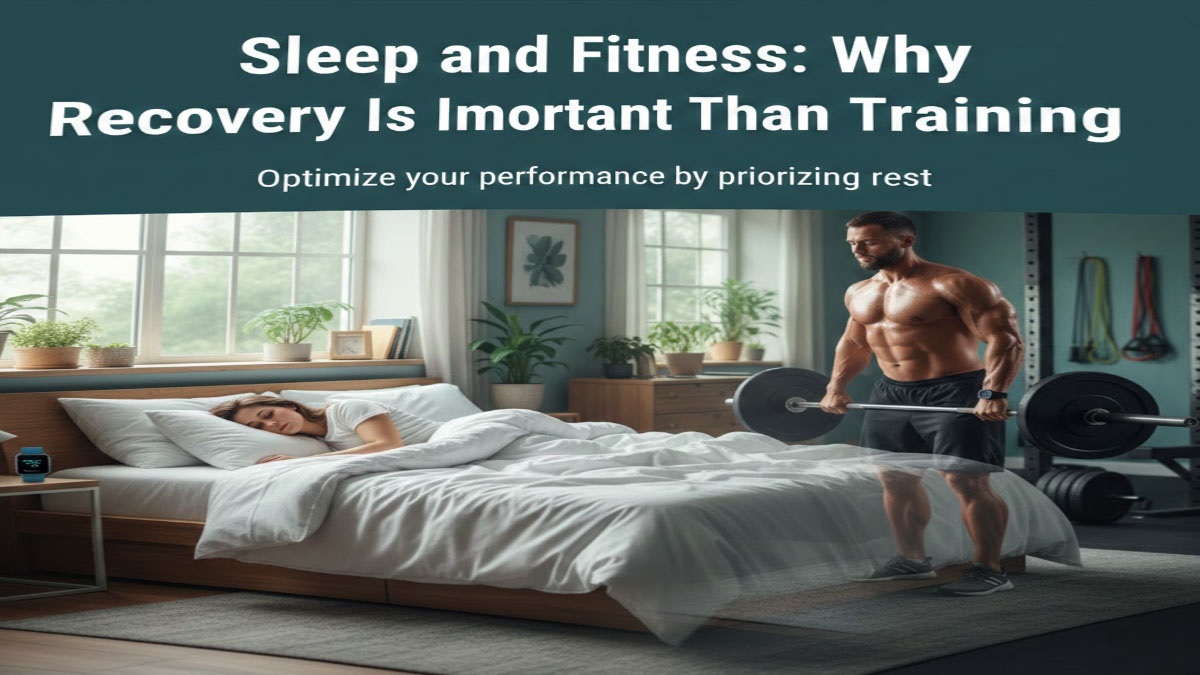
The Training Obsession
We're obsessed with training. How much weight? How many reps? How many sessions per week? But there's a factor that matters just as much — if not more — than training itself: recovery.
In 2026, research has solidified what elite athletes have always known: you don't grow in the gym. You grow while you sleep. Recovery isn't optional — it's when the magic happens. Here's why recovery is more important than training, and how to optimize it.
The 2026 Research
Key finding: Muscle growth, hormone regulation, and nervous system repair occur primarily during sleep and rest. Training provides the stimulus; recovery provides the results. Without adequate recovery, training is wasted.
The Reality: Training Breaks You Down, Recovery Builds You Up
Training = Stimulus
Training creates micro-tears in muscle fibers, depletes energy stores, and stresses the nervous system. It's a catabolic (breaking down) process. This is necessary — it signals your body to adapt.
Recovery = Adaptation
Recovery is when your body repairs muscle, replenishes energy, and adapts to be stronger. It's an anabolic (building up) process. Without recovery, training just breaks you down with no payoff.
Sleep vs Training: Which Matters More?
Poor Sleep + Great Training
- Reduced muscle protein synthesis (-20-30%)
- Increased cortisol (+50%)
- Decreased testosterone (-15%)
- Impaired glycogen replenishment
- Higher injury risk
- Poor workout quality
- Result: Minimal gains
Great Sleep + Average Training
- Optimal muscle protein synthesis
- Balanced hormones
- Full glycogen replenishment
- Lower injury risk
- Better workout quality
- Consistent progress
- Result: Steady gains
What Actually Happens During Sleep
Muscle Protein Synthesis
During deep sleep, your body releases growth hormone and repairs muscle tissue. Protein synthesis peaks during sleep. Skimping on sleep directly impairs muscle growth.
Hormone Regulation
Testosterone and growth hormone are released primarily during sleep. Cortisol (stress hormone) is regulated during sleep. Poor sleep creates a catabolic hormonal environment.
Central Nervous System Repair
Your nervous system recovers during sleep. Without enough sleep, your CNS remains fatigued, leading to poor coordination, slower reactions, and reduced strength.
Glycogen Replenishment
Sleep helps replenish muscle glycogen. Poor sleep impairs carbohydrate metabolism and energy stores.
Inflammation Regulation
Sleep reduces inflammation and promotes healing. Chronic sleep loss keeps your body in an inflammatory state.
Immune Function
Sleep supports immune function. Overtrained athletes often get sick — poor sleep is a major factor.
What 2026 Research Shows
Sleep and Muscle Growth
Subjects sleeping 5.5 hours had 20-30% lower muscle protein synthesis than those sleeping 8.5 hours. Growth hormone release was significantly reduced.
Sleep and Athletic Performance
Athletes who slept 8+ hours had faster reaction times, better accuracy, and improved mood compared to those sleeping less than 7 hours.
Sleep and Injury Risk
Adolescent athletes sleeping less than 8 hours were 1.7x more likely to sustain an injury than those sleeping 8+ hours.
Sleep and Appetite Hormones
Sleep loss increases ghrelin (hunger) by 30% and decreases leptin (satiety) by 20%, leading to increased calorie intake.
The Overtraining-Sleep Connection
How Overtraining Affects Sleep
- Elevated cortisol disrupts sleep onset and quality
- Paradoxical: you're exhausted but can't sleep
- Poor sleep impairs recovery, creating a vicious cycle
- This is why deload weeks are essential — they restore sleep quality
Sleep Optimization: The Non-Negotiables
Consistent Schedule
Same bedtime and wake time, even weekends. Your circadian rhythm loves routine.
Dark Room
Blackout curtains, eye mask, no electronics. Melatonin needs darkness.
Cool Temperature
65-68°F (18-20°C) is optimal for sleep. Your body temperature drops to initiate sleep.
No Screens 1 Hour Before
Blue light suppresses melatonin. Read a book, stretch, or meditate instead.
Limit Caffeine
No caffeine after 2 PM. Caffeine has a 6-hour half-life — it stays in your system.
Limit Alcohol
Alcohol disrupts deep sleep and REM. You may fall asleep faster, but quality suffers.
Wind-Down Routine
30 minutes of relaxing activities: reading, stretching, journaling, meditation.
Morning Sunlight
10-15 minutes of natural light early in the day sets your circadian rhythm.
Don't Train Too Late
Intense workouts within 2-3 hours of bedtime can disrupt sleep. Finish early if possible.
Recovery Beyond Sleep
Rest Days
1-3 full rest days weekly. Your nervous system needs breaks from training.
Deload Weeks
Every 4-8 weeks, reduce volume by 40-50%. Allows full recovery and prevents burnout.
Active Recovery
Light walking, easy cycling, swimming, yoga on rest days. Increases blood flow.
Nutrition
Adequate protein (1.6-2.2g/kg), carbs, and hydration support recovery.
Stress Management
Chronic stress elevates cortisol, impairing recovery. Meditation, nature, hobbies help.
Massage/Self-Massage
Reduces soreness, improves blood flow, and feels good. Foam rolling can help.
Signs You're Not Recovering Enough
Persistent Fatigue
You're tired even after sleeping well. Workouts feel harder than they should.
Performance Drop
Your lifts are decreasing, not increasing. Can't hit usual reps/weights.
Persistent Soreness
Muscles are still sore when it's time to train them again. >72 hours soreness is a sign.
Mood Changes
Irritability, lack of motivation, brain fog — signs of overtraining.
Frequent Illness
Getting sick often indicates your immune system is compromised from overtraining.
Sleep Issues
Trouble falling asleep or staying asleep despite being tired.
Practical Recovery Guide
Your Recovery Checklist
- ✅ Sleep: 7-9 hours nightly, consistent schedule
- ✅ Rest days: 1-3 full rest days weekly
- ✅ Deload: Every 4-8 weeks
- ✅ Active recovery: Light movement on rest days
- ✅ Nutrition: 1.6-2.2g/kg protein, adequate carbs
- ✅ Hydration: 2-3L water daily
- ✅ Stress management: Daily practice (meditation, nature)
The Verdict: Recovery Is Non-Negotiable
Key Takeaways from 2026 Research
- Training provides the stimulus; recovery provides the results
- Sleep is #1: 7-9 hours non-negotiable
- Sleep loss reduces protein synthesis by 20-30%
- Hormones need sleep: Testosterone, growth hormone, cortisol
- Rest days are essential: 1-3 weekly
- Deload regularly: Every 4-8 weeks
The Bottom Line
The 2026 research is clear: recovery is not optional — it's when you actually get results. You can have the best training program in the world, but if you're not sleeping and recovering, you're wasting your time.
Stop viewing recovery as laziness. Start viewing it as essential. Prioritize sleep. Take rest days. Deload regularly. Your body will thank you — and your gains will show it.
Your 7-Day Recovery Challenge
- ✅ Day 1: Set a consistent bedtime (aim for 8 hours)
- ✅ Day 2: No screens 1 hour before bed
- ✅ Day 3: Take a full rest day (light walk only)
- ✅ Day 4: Morning sunlight + gratitude journal
- ✅ Day 5: Create evening wind-down routine
- ✅ Day 6: Notice how you feel — more energy?
- ✅ Day 7: Plan your next deload week