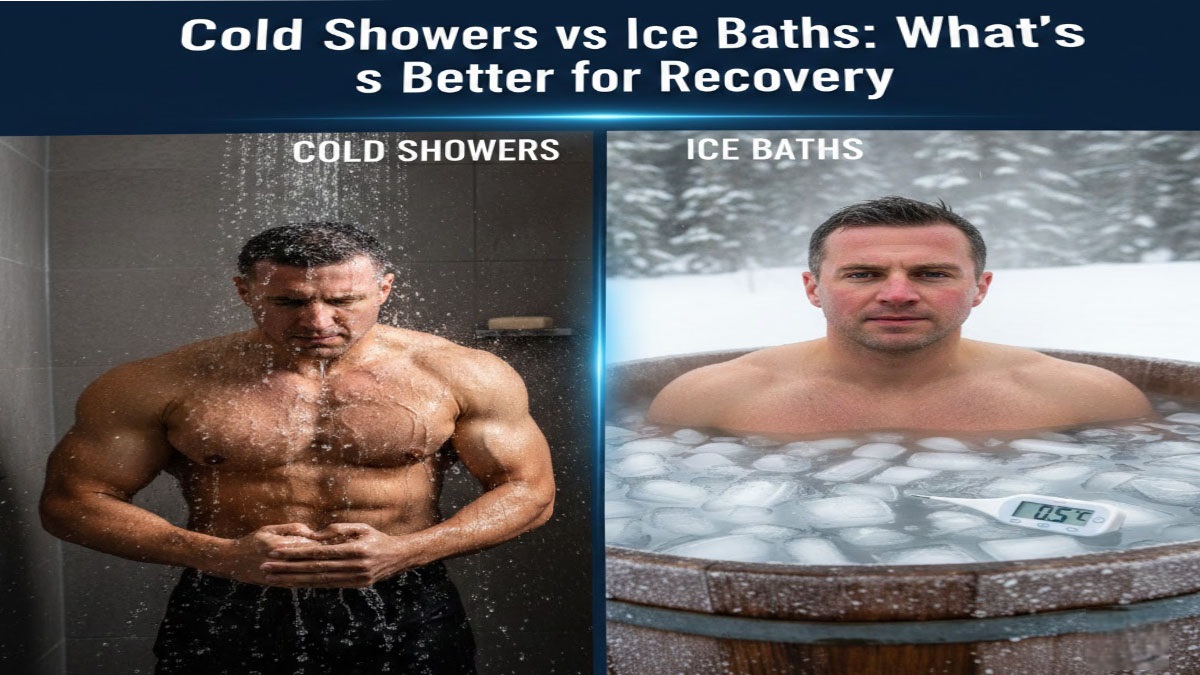
The Cold War
Athletes swear by ice baths. Biohackers love cold showers. But which is actually better for recovery? And are you wasting your time (and ice) on something that doesn't work?
In 2026, researchers have compared cold showers and ice baths head-to-head. The results might surprise you. Both have benefits, but they work differently — and one might actually hinder long-term gains if used incorrectly. Here's what the science says.
The 2026 Research
Key finding: Both cold showers and ice baths reduce inflammation and soreness, but ice baths are significantly more effective due to full immersion and sustained cold exposure. However, routine use may impair long-term muscle growth by blunting the inflammatory response needed for adaptation.
Cold Showers vs Ice Baths: Head-to-Head
Cold Showers
Water temperature: 10-20°C (50-68°F). Duration: 2-5 minutes.
Best for: Daily recovery, mood boost, convenience, beginners
Ice Baths
Water temperature: 10-15°C (50-59°F). Duration: 10-15 minutes. Full immersion.
Best for: Post-competition recovery, extreme soreness, inflammation
Cold Shower Benefits (Backed by Science)
Mood and Alertness
Cold showers increase norepinephrine by 200-300%, improving focus, mood, and alertness. Great for morning routine.
Circulation
Cold exposure constricts blood vessels, then they dilate upon warming, potentially improving circulation.
Willpower Training
Regular cold showers build mental toughness and discipline. The discomfort is manageable and builds resilience.
Skin and Hair
Cold water doesn't strip natural oils like hot water, potentially improving skin and hair health.
Ice Bath Benefits (Backed by Science)
Reduced Muscle Soreness
Ice baths significantly reduce DOMS (delayed onset muscle soreness) at 24, 48, and 72 hours post-exercise. More effective than cold showers.
Inflammation Control
Full immersion reduces inflammatory markers more effectively than partial cold exposure. Useful after high-inflammation activities.
Perceived Recovery
Athletes report feeling more recovered after ice baths, which may have psychological benefits.
Core Temperature Regulation
Ice baths more effectively lower core temperature after exercise in hot conditions.
The Big Trade-Off: Inflammation vs Adaptation
The Problem with Routine Ice Baths
Inflammation after exercise isn't all bad — it's part of the adaptation process. Your muscles need some inflammation to signal growth. Research shows that routine ice baths after every workout can:
- Reduce muscle protein synthesis by 20-30%
- Blunt long-term strength and hypertrophy gains
- Interfere with the body's natural adaptation
Conclusion: Save ice baths for when you really need them (after competitions, extreme soreness). Don't use them after every workout.
Cold Showers Are Safer for Routine Use
Because cold showers are less intense and shorter duration, they're less likely to interfere with long-term adaptations. They provide benefits without the same risk of blunting gains.
When to Use Each
Morning Routine
Cold shower: 2-3 minutes at the end of regular shower. Boosts alertness, mood, and mental toughness.
After Normal Workouts
Neither, or cold shower. Avoid routine ice baths. Let your body adapt naturally. Cold shower fine for mood.
After Competition/Event
Ice bath: 10-15 minutes. Reduces inflammation and speeds recovery when you need to perform again soon.
Extreme Soreness
Ice bath: When DOMS is severe, ice bath can provide relief. Use sparingly.
Hot Day
Either: Both help cool core temperature. Ice bath more effective.
Mental Resilience
Cold shower: Daily practice builds willpower and mental toughness.
How to Do It Right
Cold Shower Protocol
- Start with warm shower, finish cold
- Begin with 30 seconds, work up to 2-3 minutes
- Temperature: as cold as it goes
- Breathe deeply, relax into it
- Daily if desired
Ice Bath Protocol
- Temperature: 10-15°C (50-59°F)
- Duration: 10-15 minutes max
- Add ice gradually if needed
- Immerse up to chest
- Use 1-2x weekly max, not after every workout
⚠️ Safety Warnings
- Never do ice baths alone — have someone nearby
- Start with shorter durations, work up gradually
- Get out immediately if you feel dizzy, numb, or confused
- Not recommended for those with heart conditions
- Warm up gradually afterward (no hot showers immediately)
What 2026 Research Shows
Ice Baths vs Cold Showers
Ice baths reduced soreness 30% more than cold showers at 24 hours post-exercise. Cold showers still provided benefit compared to control.
Cold Water Immersion and Muscle Growth
Routine post-workout ice baths reduced muscle hypertrophy by 20% over 12 weeks compared to active recovery. Inflammation is needed for growth.
Cold Showers and Mood
30-day cold shower intervention reduced sickness absence by 29% and improved quality of life scores. Likely due to norepinephrine boost.
Optimal Ice Bath Protocol
11-15 minutes at 11-15°C (52-59°F) is optimal for recovery. Longer or colder provides no additional benefit.
Who Should Avoid Cold Therapy
Heart Conditions
Cold exposure constricts blood vessels and increases heart rate. Those with cardiovascular issues should consult doctor.
Raynaud's Disease
Cold can trigger severe vasoconstriction in fingers and toes.
Respiratory Issues
Cold can trigger asthma or breathing difficulties in sensitive individuals.
Pregnancy
Consult doctor before cold exposure during pregnancy.
Hypothyroidism
Cold can further slow metabolism in those with underactive thyroid.
Open Wounds
Avoid ice baths with cuts or wounds — risk of infection.
The Verdict: Both Have Their Place
Key Takeaways from 2026 Research
- Ice baths are more effective for reducing inflammation and soreness — but use sparingly
- Cold showers are great for daily use — mood, alertness, willpower, mild recovery benefits
- Routine ice baths may impair gains — save for when you really need them
- Cold showers are safer, cheaper, easier — perfect for daily routine
- Neither replaces sleep, nutrition, and active recovery — basics first
The Bottom Line
The 2026 research is clear: both cold showers and ice baths have benefits, but they serve different purposes. Use cold showers daily for mood, alertness, and mild recovery. Save ice baths for when you're really sore or after competition — not after every workout. And never forget that sleep, nutrition, and active recovery are far more important than any cold therapy.
Quick Reference: Which to Choose?
- ✅ Daily routine → Cold shower (2-3 min)
- ✅ After normal workout → Cold shower or nothing
- ✅ Extreme soreness → Ice bath (10-15 min)
- ✅ Post-competition → Ice bath
- ✅ Mental toughness → Cold shower daily
- ❌ After every workout → Avoid routine ice baths