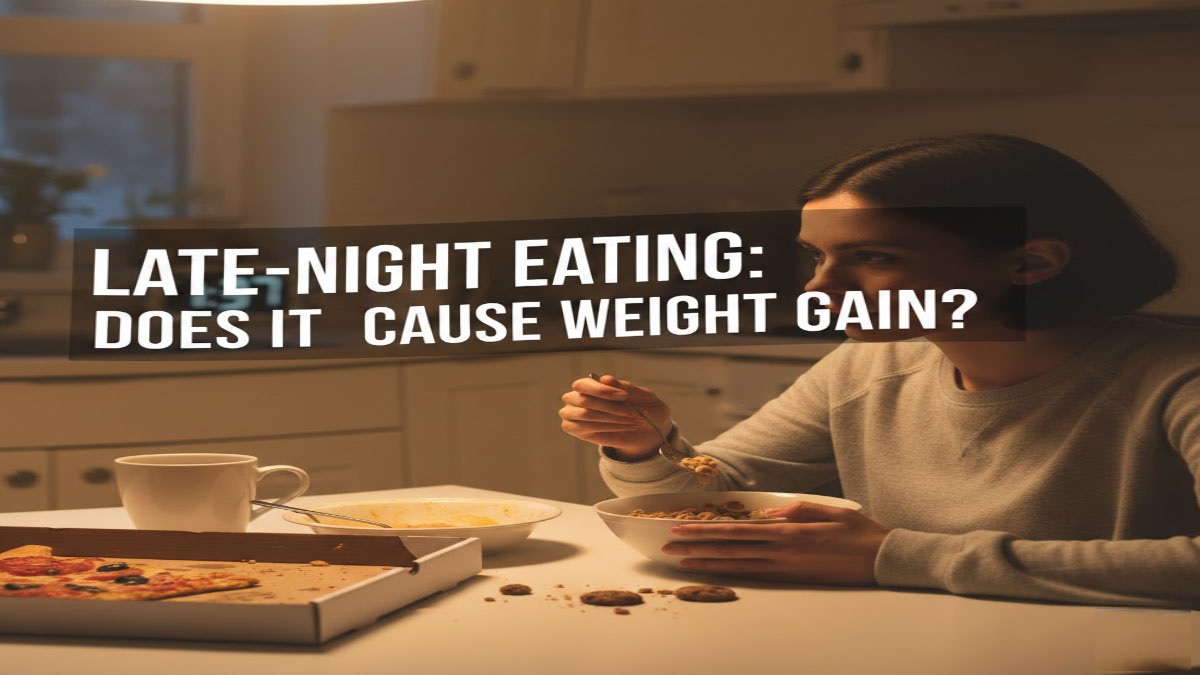
The Midnight Snack Dilemma
You've probably heard it a thousand times: "Don't eat after 8 PM" or "Late-night calories count double." The idea that eating late at night leads to weight gain is deeply ingrained in diet culture. But is there any truth to it?
In 2026, a growing body of research has examined the relationship between meal timing, circadian rhythms, and weight gain. The answer is more nuanced than simple rules. Here's what the science actually says about late-night eating.
The 2026 Consensus
Key finding: Total daily calorie intake matters most for weight management. However, eating late at night is associated with poorer food choices, higher calorie intake, and may affect metabolism through circadian disruption.
Myths vs Scientific Facts
Myth #1
Myth #2
Myth #3
Myth #4
What 2026 Research Reveals
Late-Night Eating Study
Controlled study where participants ate identical meals at different times. When total calories were matched, weight loss was identical regardless of timing. No metabolic advantage to eating earlier.
Circadian Rhythm Research
Eating late at night may affect circadian rhythms, potentially reducing insulin sensitivity and increasing glucose levels. Effects were small but significant in some individuals.
Observational Study
People who eat late at night tend to consume more total calories overall and make poorer food choices (higher fat, sugar). This, not timing itself, drives weight gain.
Calories vs Timing: What Matters More?
The Hierarchy of Weight Management
- #1 Most Important: Total daily calorie balance (energy in vs energy out)
- #2: Protein intake (preserves muscle, increases satiety)
- #3: Food quality (whole foods vs processed)
- #4: Meal timing (small effect for most people)
The Bottom Line
If you're in a calorie deficit, eating at night won't make you gain weight. If you're in a surplus, eating earlier won't save you. Total calories are king.
Why Late-Night Eating Is Associated With Weight Gain
Higher Total Calories
People who eat late often consume extra calories beyond their daily needs, not replacing earlier meals.
Poorer Food Choices
Late-night snacks tend to be high in sugar, fat, and processed carbs (ice cream, chips, cookies).
Mindless Eating
Eating while watching TV or scrolling phone leads to overconsumption without awareness.
Sleep Disruption
Heavy meals before bed can impair sleep quality, which affects hunger hormones (ghrelin, leptin).
Circadian Disruption
Eating when your body expects to be fasting may slightly impair glucose metabolism.
Lower NEAT
Evening calories may not be offset by activity, whereas daytime calories often are.
When Late-Night Eating Is Actually Beneficial
Post-Workout Fuel
If you train in the evening, a post-workout meal (protein + carbs) supports recovery, even if it's late.
Pre-Sleep Protein
Research shows 20-40g casein protein (cottage cheese, Greek yogurt) before bed improves overnight muscle protein synthesis.
Preventing Morning Hunger
A small, balanced snack can prevent extreme hunger that leads to overeating the next day.
Shift Workers
If you work nights, your "day" is different. Eat when you need fuel for your awake hours.
Best Late-Night Snacks (If You're Hungry)
Protein-Rich Options
- Greek yogurt (plain) with berries
- Cottage cheese
- Turkey roll-ups
- Protein shake (casein ideal)
- Hard-boiled eggs
Light Carbs + Protein
- Apple with peanut butter
- Banana with almonds
- Rice cake with avocado
- Hummus with veggies
- Warm milk (contains tryptophan)
Avoid Before Bed
- Heavy, fatty meals (pizza, burgers, fried food)
- Spicy foods (may cause heartburn)
- Caffeine (coffee, dark chocolate)
- Sugary snacks (ice cream, cookies — spike then crash blood sugar)
- Large meals (disrupt sleep)
The Circadian Rhythm Factor
Your Body's Internal Clock
Your circadian rhythm affects digestion, hormone release, and metabolism. Research shows:
- Insulin sensitivity is higher in the morning, lower at night
- Late eating may cause higher glucose spikes in some people
- Melatonin (sleep hormone) may reduce insulin secretion
Individual variation matters: Some people are more sensitive to these effects than others.
Practical Guide: Should You Eat Late?
Questions to Ask Yourself
- ❓ Are you truly hungry or just bored/stressed/tired?
- ❓ Have you met your daily protein and calorie needs?
- ❓ What are you craving? (Protein/fat/carbs vs sugar/junk)
- ❓ How will this affect your sleep?
- ❓ Is this a habit or occasional?
If You're Actually Hungry
- Choose protein + fiber (Greek yogurt, cottage cheese)
- Keep portions moderate (200-300 calories)
- Eat mindfully, not in front of screens
- Stop eating 1-2 hours before bed if possible
If You're Eating Out of Habit
- Drink water or herbal tea first
- Brush your teeth early (signals "done eating")
- Find non-food wind-down routine
- Ask: "Am I hungry or just tired?"
Sample Scenarios
Scenario 1: Evening Gym Session
You finish training at 9 PM. You're genuinely hungry and need recovery fuel.
Smart choice: Protein shake with banana or Greek yogurt with berries (20-30g protein, 30g carbs). Supports recovery without disrupting sleep.
Scenario 2: Boredom/Stress Eating
It's 10 PM, you're watching TV and craving ice cream or chips. Not truly hungry.
Better approach: Herbal tea, glass of water, or go to bed earlier. If you must eat, choose air-popped popcorn or berries.
Scenario 3: Can't Sleep Without Snack
Some people genuinely sleep better with a small snack (blood sugar stability).
Smart choice: Warm milk, small apple with peanut butter, or cottage cheese. Keep it under 200 calories.
The Verdict: Does Late-Night Eating Cause Weight Gain?
Key Takeaways from 2026 Research
- No, not directly: Calories don't have a curfew. Total daily intake matters most.
- But, it's correlated: Late eaters tend to consume more calories and make poorer choices.
- Circadian effects: Small metabolic impacts for some, but not enough to override calorie balance.
- Context matters: Post-workout, pre-sleep protein can be beneficial.
- What you eat matters: Protein + fiber vs sugar + fat.
- Listen to hunger: Eat when truly hungry, not out of boredom or habit.
The Bottom Line
The 2026 research is clear: eating late at night does not inherently cause weight gain. Weight gain comes from consuming more calories than you burn over 24 hours. If you're in a calorie deficit, you can eat at any time and still lose weight.
However, late-night eating is often associated with mindless consumption of high-calorie, low-nutrient foods. If you're genuinely hungry, choose protein-rich, moderate snacks. If you're eating out of habit, address the root cause. Your total daily intake — not the clock — determines your weight.
Quick Reference Guide
- ✅ If hungry: Greek yogurt, cottage cheese, protein shake, apple + peanut butter
- ❌ Avoid: Ice cream, chips, pizza, sugary snacks
- ✅ Post-workout (late): Protein + carbs (recovery matters)
- ✅ Pre-sleep: Casein protein (cottage cheese) supports muscle growth
- ❌ Stop if: Boredom, stress, habit — not hunger