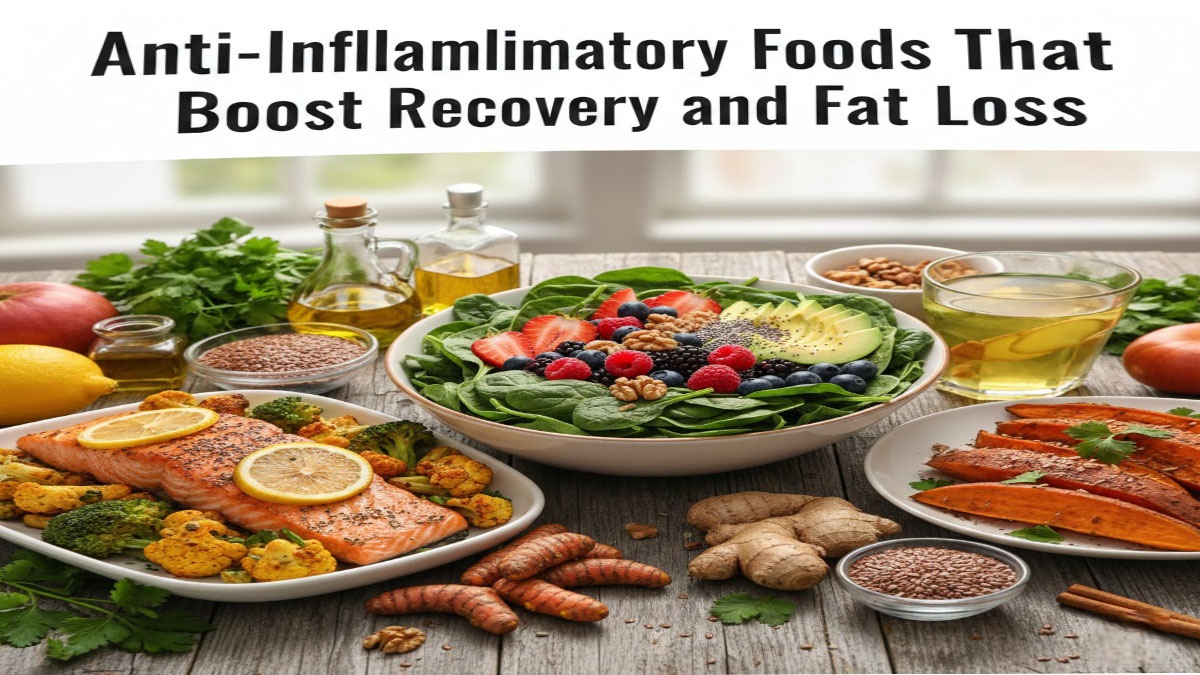
The Inflammation Connection
Inflammation is a double-edged sword. Acute inflammation after exercise is necessary for adaptation and growth. But chronic, low-grade inflammation impairs recovery, slows fat loss, and increases disease risk.
The foods you eat play a major role in managing inflammation. In 2026, research continues to confirm that certain foods reduce inflammatory markers, speed recovery, and support fat loss. Here's what to eat — and what to avoid.
The 2026 Consensus
Key finding: A diet rich in whole, unprocessed foods — especially those high in omega-3s, polyphenols, and fiber — reduces inflammation, enhances recovery, and supports metabolic health. Processed foods, refined sugars, and unhealthy fats promote inflammation.
Good Inflammation vs Bad Inflammation
Acute Inflammation (Good)
Short-term response to exercise or injury. Signals immune system to repair damage. Necessary for muscle growth and adaptation. Resolves within hours to days.
Chronic Inflammation (Bad)
Low-grade, persistent inflammation. Linked to obesity, diabetes, heart disease, and impaired recovery. Caused by poor diet, stress, lack of sleep, and sedentary lifestyle.
Top Anti-Inflammatory Foods
Fatty Fish
Rich in omega-3 fatty acids (EPA/DHA), which reduce inflammatory markers.
- Salmon (highest omega-3s)
- Sardines (also high in calcium)
- Mackerel (sustainable option)
- Anchovies (concentrated omega-3s)
- Herring (traditional source)
Aim for: 2-3 servings (200-300g) weekly
Berries
Packed with anthocyanins and polyphenols that combat oxidative stress.
- Blueberries (highest antioxidant content)
- Strawberries (vitamin C + ellagic acid)
- Raspberries (high in fiber)
- Blackberries (rich in polyphenols)
- Cherries (tart cherries reduce soreness)
Aim for: 1-2 cups daily (fresh or frozen)
Leafy Greens
Rich in vitamin E, carotenoids, and flavonoids that reduce inflammation.
- Spinach (iron + antioxidants)
- Kale (vitamins A, C, K)
- Swiss chard (magnesium rich)
- Collard greens (calcium source)
- Arugula (peppery, nutrient-dense)
Aim for: 2-3 cups daily (salads, smoothies, sautés)
Nuts & Seeds
Source of healthy fats, vitamin E, and magnesium.
- Walnuts (high in ALA omega-3s)
- Almonds (vitamin E + magnesium)
- Flaxseeds (lignans + fiber)
- Chia seeds (omega-3s + fiber)
- Pumpkin seeds (zinc + magnesium)
Aim for: 1-2 ounces (small handful) daily
Healthy Oils
Rich in monounsaturated fats and polyphenols.
- Extra virgin olive oil (oleocanthal = natural ibuprofen)
- Avocado oil (high smoke point)
- Flaxseed oil (ALA omega-3s)
Aim for: 2 tbsp daily (use for cooking/dressing)
Spices & Herbs
Concentrated sources of anti-inflammatory compounds.
- Turmeric (curcumin + piperine for absorption)
- Ginger (gingerols, reduces soreness)
- Garlic (allicin, immune support)
- Cinnamon (blood sugar regulation)
- Cayenne (capsaicin, metabolism)
Aim for: Use liberally in cooking
Colorful Vegetables
Beta-carotene and other carotenoids reduce inflammation.
- Sweet potatoes (beta-carotene + fiber)
- Bell peppers (vitamin C powerhouse)
- Carrots (beta-carotene)
- Tomatoes (lycopene, cooked is better)
- Beets (betalains, nitric oxide)
Aim for: 2-3 servings daily
Green Tea
Rich in epigallocatechin-3-gallate (EGCG), a powerful anti-inflammatory.
- Matcha (concentrated EGCG)
- Sencha (traditional green tea)
- Jasmine green tea (flavored option)
Aim for: 2-3 cups daily
How Anti-Inflammatory Foods Boost Recovery
Reduce Muscle Soreness
Key foods: Tart cherries, ginger, turmeric, omega-3s
Studies show tart cherry juice reduces DOMS and speeds recovery after intense exercise.
Improve Blood Flow
Key foods: Beets, leafy greens, dark chocolate
Nitrates in beets enhance blood flow, delivering oxygen and nutrients to muscles.
Reduce Oxidative Stress
Key foods: Berries, dark chocolate, pecans
Antioxidants neutralize free radicals produced during exercise, reducing cell damage.
Support Immune Function
Key foods: Garlic, mushrooms, citrus, yogurt
Intense exercise temporarily suppresses immunity. Anti-inflammatory foods support immune defense.
Improve Sleep Quality
Key foods: Kiwi, tart cherries, almonds, fatty fish
Better sleep = better recovery. Certain foods support melatonin production and sleep quality.
Reduce Joint Pain
Key foods: Omega-3s, olive oil, turmeric
Chronic inflammation contributes to joint pain. Anti-inflammatory diet reduces symptoms.
The Fat Loss Connection
How Inflammation Impairs Fat Loss
- Insulin resistance: Inflammation makes cells less responsive to insulin, promoting fat storage.
- Leptin resistance: Chronic inflammation disrupts hunger/satiety signals, leading to overeating.
- Cortisol elevation: Inflammation increases cortisol, which promotes abdominal fat storage.
- Mitochondrial dysfunction: Inflammation impairs mitochondria, reducing energy expenditure.
Anti-Inflammatory Foods Support Fat Loss
- Reduce insulin resistance → better blood sugar control
- Improve leptin sensitivity → better appetite regulation
- Lower cortisol → reduced abdominal fat storage
- Support mitochondria → better energy metabolism
Foods That Promote Inflammation (Avoid These)
Refined Sugars
Soda, candy, pastries, sweetened cereals. Spike blood sugar and promote inflammatory cytokines.
Refined Carbs
White bread, white pasta, white rice, crackers. Rapidly convert to sugar, spike insulin.
Industrial Seed Oils
Soybean oil, corn oil, sunflower oil (high omega-6). Imbalance omega-6:omega-3 ratio promotes inflammation.
Processed Meats
Sausages, bacon, hot dogs, deli meats. High in advanced glycation end products (AGEs) and saturated fat.
Trans Fats
Fried foods, margarine, packaged snacks. Directly promote inflammation.
Excessive Alcohol
Disrupts gut microbiome, increases inflammation, impairs recovery.
Sample Anti-Inflammatory Day
Breakfast
Lunch
Snack
Dinner
Supplements That Help
Omega-3s (Fish Oil)
1-2g combined EPA/DHA daily. Most evidence-backed anti-inflammatory supplement.
Curcumin (Turmeric)
500-1000mg with piperine for absorption. Reduces inflammation and soreness.
Ginger
1-2g daily. Reduces muscle soreness and inflammation.
Vitamin D
600-2000 IU daily. Deficiency linked to chronic inflammation.
Probiotics
Supports gut health, which regulates inflammation.
Tart Cherry Extract
Concentrated source of anthocyanins. Shown to reduce DOMS.
Beyond Food: Other Inflammation Fighters
Sleep
7-9 hours nightly. Poor sleep increases inflammatory markers.
Exercise
Regular moderate exercise reduces inflammation. Overtraining increases it.
Stress Management
Chronic stress elevates cortisol and inflammation. Meditation, nature, hobbies help.
Limit Alcohol
Excessive alcohol promotes inflammation and impairs recovery.
Common Myths Debunked
Myth: "All inflammation is bad"
Truth: Acute inflammation from exercise is necessary for adaptation. Chronic inflammation is the problem.
Myth: "You need expensive supplements"
Truth: Whole foods provide synergistic benefits. Supplements can help but aren't essential.
Myth: "One "superfood" will fix inflammation"
Truth: Overall dietary pattern matters more than any single food.
Myth: "Anti-inflammatory means low-fat"
Truth: Healthy fats (omega-3s, olive oil) are anti-inflammatory. Fat quality matters more than quantity.
The Verdict: Eat to Reduce Inflammation
Key Takeaways from 2026 Research
- Focus on whole foods: Fatty fish, berries, leafy greens, nuts, olive oil, spices
- Avoid processed foods: Refined sugars, industrial oils, processed meats
- Omega-3s are key: 2-3 servings fatty fish weekly, consider supplement
- Color matters: Eat a rainbow of fruits and vegetables
- Spices help: Turmeric, ginger, garlic in cooking
- Lifestyle matters: Sleep, stress management, exercise
The Bottom Line
The 2026 research is clear: what you eat directly impacts inflammation, recovery, and fat loss. An anti-inflammatory diet rich in whole foods, healthy fats, and antioxidants speeds recovery, reduces soreness, and supports metabolic health.
You don't need to be perfect. Start by adding more of the foods listed above and reducing processed foods. Your muscles — and your waistline — will thank you.
Quick Start Checklist
- ✓ Add fatty fish 2x weekly
- ✓ Eat berries daily (fresh or frozen)
- ✓ Include leafy greens in at least one meal
- ✓ Snack on nuts and seeds
- ✓ Cook with olive oil, turmeric, ginger, garlic
- ✓ Drink green tea
- ✓ Limit sugar, processed foods, industrial oils