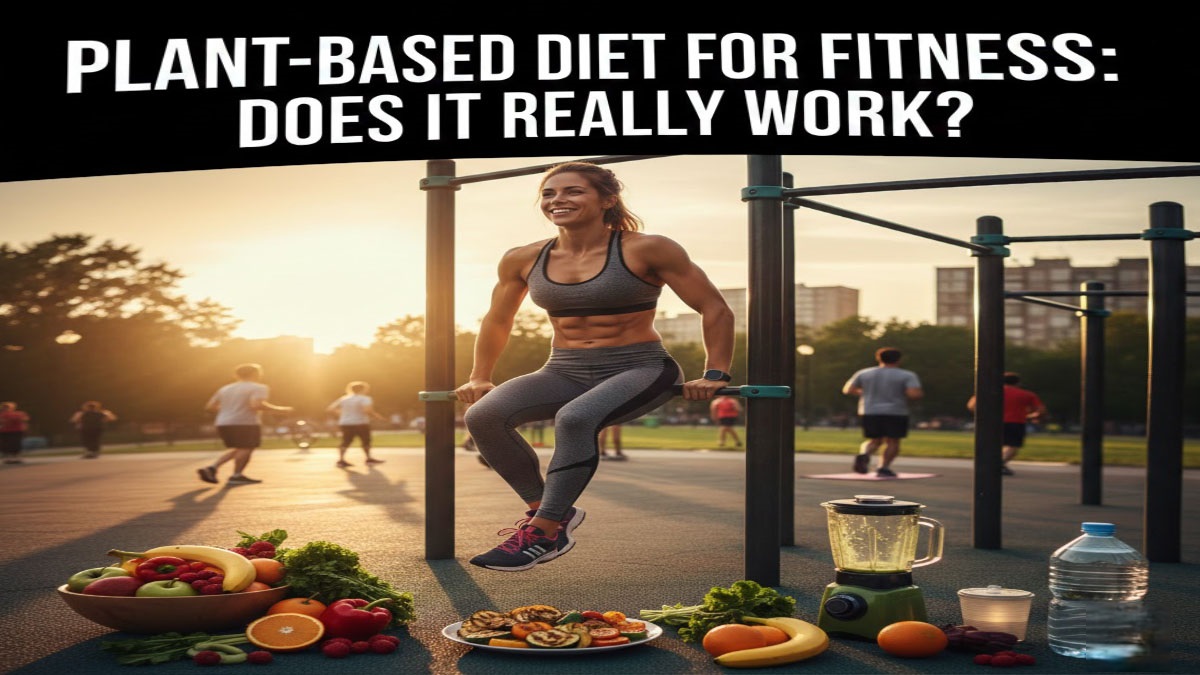
The Rise of Plant-Based Athletes
Venus Williams, Lewis Hamilton, Novak Djokovic, Scott Jurek — world-class athletes dominating their sports on plant-based diets. But is their success despite their diet or because of it? Can you really build muscle, recover, and perform at your best without meat, eggs, and dairy?
In 2026, the research is clearer than ever. A well-planned plant-based diet can absolutely support fitness and athletic performance. But it requires attention to certain nutrients that are harder to get from plants. Here's what the science says.
The 2026 Consensus
Key finding: Plant-based diets can support muscle growth, performance, and recovery when properly planned. Key nutrients to watch: protein (especially leucine), iron, vitamin B12, omega-3s, zinc, and calcium.
Protein: The #1 Concern
Can You Get Enough Protein on Plants?
Yes, but you need to be intentional. Plant proteins are less digestible and have lower leucine content than animal proteins. The solution: eat 10-20% more total protein and combine sources.
- Plant-based athletes: Aim for 1.6-2.2g/kg bodyweight (vs 1.4-2.0g/kg for omnivores)
- Example: 70kg person → 112-154g protein daily
Top Plant-Based Protein Sources
Tempeh
Lentils
Tofu
Edamame
Seitan
Pumpkin Seeds
Quinoa
Pea Protein Powder
Amino Acids: Completing the Picture
The Leucine Threshold
Leucine is the key amino acid that triggers muscle protein synthesis. Plant proteins tend to be lower in leucine. Aim for 2-3g leucine per meal.
- Good combos: Rice + beans, hummus + pita, tofu + quinoa, lentil soup + whole grain bread
- Supplement if needed: Pea protein isolate is high in leucine
Critical Nutrients for Plant-Based Athletes
Vitamin B12
Not found in plants. Essential for energy and nerve function.
Sources: Fortified foods (nutritional yeast, plant milks) or supplement (recommended).
Iron
Plant iron (non-heme) less absorbable. Athletes have higher needs.
Sources: Lentils, spinach, pumpkin seeds, fortified cereals. Pair with vitamin C (citrus, peppers) to boost absorption.
Omega-3s (DHA/EPA)
Critical for brain health, inflammation, recovery.
Sources: Algae oil supplement, chia seeds, flaxseeds, walnuts (ALA conversion limited).
Calcium
For bone health and muscle function.
Sources: Fortified plant milks, fortified tofu, tahini, kale, broccoli.
Zinc
Immune function, protein synthesis, testosterone.
Sources: Pumpkin seeds, chickpeas, cashews, fortified cereals.
Vitamin D
Bone health, immune function, testosterone.
Sources: Sunlight, fortified foods, supplement (especially in winter).
Real-World Evidence: Plant-Based Athletes
Novak Djokovic (Tennis)
World #1, multiple Grand Slam champion. Plant-based since 2010. Credits diet for recovery and energy.
Venus Williams (Tennis)
7 Grand Slam singles titles. Raw vegan for autoimmune condition. Maintained elite performance.
Lewis Hamilton (F1)
7-time World Champion. Vegan since 2017. Cites energy and recovery benefits.
Scott Jurek (Ultra-running)
Multiple Western States 100 winner. Vegan since 1999. Held US record for most miles run in 24 hours.
Kendrick Farris (Weightlifting)
Only US male weightlifter in 2016 Olympics. Vegan. Credited plant-based diet for recovery.
Nimai Delgado (Bodybuilding)
IFBB Pro bodybuilder. Never eaten meat in his life. Vegan bodybuilding champion.
What 2026 Research Shows
Muscle Growth Comparison
Meta-analysis comparing plant-based vs omnivorous athletes found no significant difference in muscle growth or strength gains when protein intake was matched. Plant-based athletes needed 10-15% more total protein to achieve same results.
Recovery and Inflammation
Plant-based diets rich in antioxidants and polyphenols may reduce exercise-induced inflammation and oxidative stress, potentially speeding recovery.
Endurance Performance
Plant-based athletes showed similar or slightly better endurance performance, possibly due to higher carbohydrate intake and lower body fat.
Sample Day: Plant-Based Athlete (2500 calories, 140g protein)
Breakfast (40g protein)
Lunch (45g protein)
Snack (20g protein)
Dinner (35g protein)
Recommended Supplements for Plant-Based Athletes
Vitamin B12
Essential. 1000-2000 mcg weekly or 50 mcg daily. Non-negotiable.
Vitamin D
600-2000 IU daily, especially in winter or limited sun.
Omega-3 (Algae Oil)
250-500 mg combined DHA/EPA daily for athletes.
Pea or Soy Protein
Convenient for post-workout. Look for 20-25g per serving.
Creatine
3-5g daily. Works regardless of diet. May have slightly greater benefit for vegans due to lower baseline.
Iron (if deficient)
Check blood levels. Don't supplement without need.
Pros and Cons for Fitness
Advantages
- Higher carb intake (fuel for training)
- Antioxidants reduce inflammation
- Often lower body fat
- Heart-healthy (lower cholesterol)
- Environmental/ethical benefits
- High fiber (digestive health)
Challenges
- Lower protein digestibility
- Lower leucine content per gram
- Need to eat 10-20% more protein
- Risk of nutrient deficiencies (B12, iron, omega-3s, zinc)
- Requires more planning
- Fiber can cause bloating for some
Practical Tips for Plant-Based Fitness
Calculate Protein Needs
1.6-2.2g/kg bodyweight. Track a few days to ensure you're hitting targets.
Prioritize Protein at Every Meal
20-40g per meal. Include legumes, tofu, tempeh, seitan, or protein powder.
Combine Proteins
Rice + beans, hummus + pita, tofu + quinoa. Creates complete amino acid profile.
Supplement Wisely
B12, vitamin D, algae oil omega-3s. Consider creatine and protein powder.
Boost Iron Absorption
Pair iron-rich foods with vitamin C (citrus, peppers, tomatoes).
Eat a Rainbow
Variety of fruits, vegetables, legumes, whole grains, nuts, seeds for micronutrients.
Common Myths Debunked
Myth: "You can't build muscle on plants"
Truth: Many vegan bodybuilders and athletes prove otherwise. It requires planning but absolutely works.
Myth: "Plant protein is incomplete"
Truth: Soy, quinoa, and combinations of plants provide complete protein. Even "incomplete" proteins are fine over a day.
Myth: "You need meat for strength"
Truth: Strongest animals (elephants, gorillas, horses) are plant-eaters. Strength comes from training + protein, not meat specifically.
Myth: "Plant-based diets are low protein"
Truth: Many plants are protein-rich. Tempeh has 31g per cup, comparable to chicken.
The Verdict: Does It Really Work?
Key Takeaways from 2026 Research
- Yes, plant-based works: With proper planning, plant-based diets fully support fitness and athletic performance.
- Protein needs: 1.6-2.2g/kg bodyweight (10-20% higher than omnivores)
- Key nutrients: B12, vitamin D, omega-3s, iron, zinc, calcium need attention
- Leucine matters: Aim for 2-3g per meal from protein combinations
- Benefits: May improve recovery, reduce inflammation, support heart health
- Planning is essential: Can't just "remove meat" — need intentional food choices
The Bottom Line
The 2026 research is clear: a well-planned plant-based diet can absolutely support muscle growth, performance, and recovery. Elite athletes across multiple sports prove it's possible. But it requires more attention to certain nutrients, especially protein, B12, iron, and omega-3s.
If you're considering a plant-based diet for fitness, do it right: calculate your protein needs, include protein at every meal, supplement B12 and vitamin D, and consider working with a sports dietitian. When done correctly, your plants will power your performance.
Quick Start Checklist
- ✓ Calculate protein: weight (kg) x 1.8g = daily target
- ✓ Include protein at every meal (20-40g)
- ✓ Stock up on: tofu, tempeh, lentils, beans, quinoa, nuts, seeds
- ✓ Start supplementing: B12, vitamin D, algae oil omega-3s
- ✓ Pair iron foods with vitamin C
- ✓ Consider pea protein or creatine for extra support