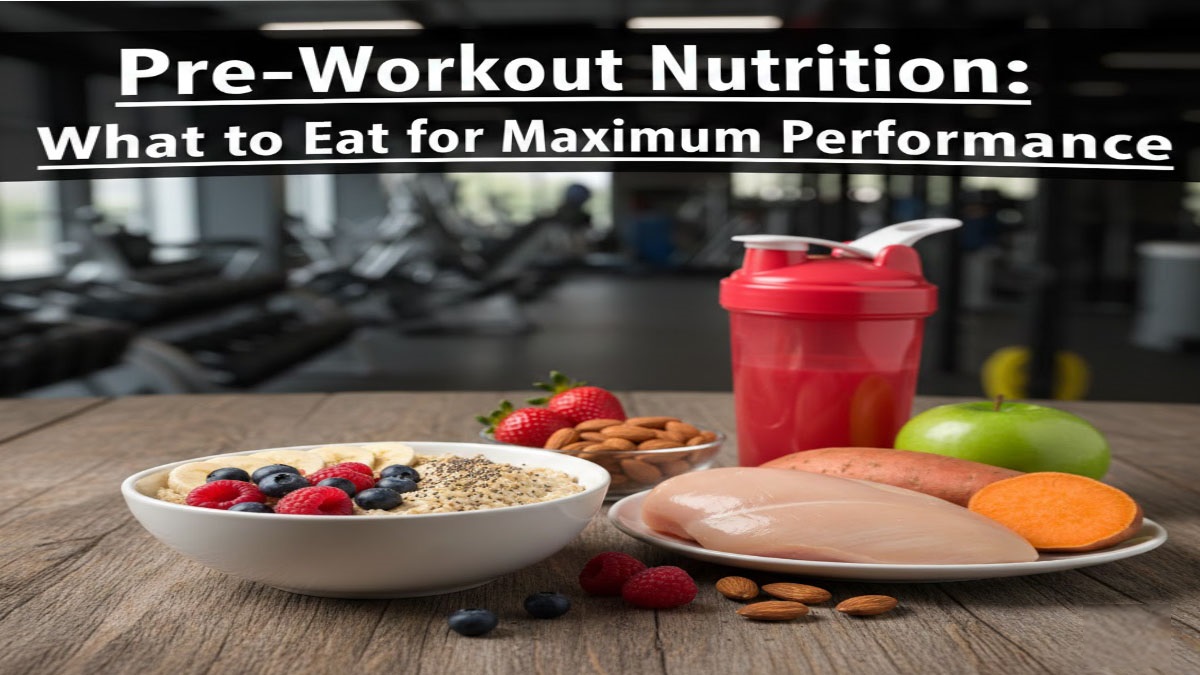
Fueling for Performance
You wouldn't drive a car on empty, so why would you train without fuel? What you eat before a workout can make the difference between a PR and a mediocre session. But with so much conflicting advice, it's hard to know what's right.
In 2026, the International Society of Sports Nutrition (ISSN) updated its position stand on pre-workout nutrition, synthesizing decades of research into practical guidelines. Here's what the science says about eating for maximum performance.
The 2026 ISSN Guidelines
Key finding: A combination of carbohydrates and protein 2-4 hours before exercise optimizes performance, enhances muscle protein synthesis, and reduces muscle damage. Individual timing and composition should be personalized.
When to Eat: The Timing Window
3-4 Hours Before
Carbs: 1-2g/kg bodyweight
Protein: 20-40g
Low fat, moderate fiber
1-2 Hours Before
Carbs: 0.5-1g/kg bodyweight
Protein: 15-25g
Low fat, low fiber
30-60 Minutes Before
Carbs only or small protein
Banana, sports drink, gel
Avoid fat and fiber
Carbohydrates: Your Primary Fuel
Why Carbs Matter
Carbohydrates are stored as glycogen in muscles and liver. Glyogen is your body's preferred fuel for high-intensity exercise. Training with low glycogen reduces performance, increases perceived effort, and may increase muscle breakdown.
Best Pre-Workout Carbs
- Oatmeal (rolled or quick)
- Bananas
- White rice (easily digestible)
- Sweet potatoes
- Whole grain bread
- Fruit (berries, apple, orange)
- Sports drinks (during/close to workout)
Carbs to Avoid
- High-fiber foods (beans, bran) close to workout
- High-fat carb sources (fries, pastries)
- Sugary foods that cause energy crash
- New or unfamiliar foods (GI distress risk)
Carb Recommendations
- Endurance athletes: 1-4g/kg in 1-4 hours before
- Strength training: 0.5-1g/kg sufficient for most
- General fitness: 30-60g total carbs pre-workout
Protein: The Performance Enhancer
Protein Pre-Workout: Benefits
- Increases muscle protein synthesis during/after workout
- Provides amino acids to reduce muscle breakdown
- Improves satiety (helps with hunger during workout)
- May enhance recovery when combined with carbs
Best Pre-Workout Proteins
- Whey protein (fast absorption)
- Greek yogurt (casein + whey)
- Chicken/turkey (lean)
- Eggs (hard-boiled, scrambled)
- Protein shake (convenient)
Protein Timing
- 2-4 hours before: 20-40g whole food protein
- 1 hour before: 15-25g (shake or light)
- Too much protein close to workout: May cause sluggishness
Fats: Handle With Care
Fats Pre-Workout
Fats slow digestion. While healthy fats are essential overall, consuming them too close to exercise can cause GI distress and sluggishness.
- 2-4 hours before: Small amount of healthy fats okay
- 1 hour before: Avoid fats
- Good options earlier: Avocado, nuts, nut butter (small amounts)
Sample Pre-Workout Meals
3-4 Hours Before
- Grilled chicken breast (150g)
- 1 cup brown rice
- 1 cup steamed vegetables
- 1 tbsp olive oil
- ~600 cal, 45g protein, 80g carb, 15g fat
2 Hours Before
- 2 slices whole grain toast
- 2 eggs scrambled
- 1 banana
- 1 tbsp peanut butter
- ~450 cal, 25g protein, 55g carb, 15g fat
1 Hour Before
- 1 cup oatmeal (made with milk)
- 1 scoop whey protein
- 1/2 banana sliced
- ~350 cal, 30g protein, 45g carb, 5g fat
30 Minutes Before
- 1 banana
- 1 sports gel or 8oz sports drink
- Optional: 1/2 scoop protein
- ~150-200 cal, 35-45g carb
Pre-Workout Supplements: What Works
Caffeine
3-6mg per kg bodyweight, 45-60 min before. Improves strength, endurance, focus. Most evidence-backed supplement.
Creatine
3-5g daily. Timing less important than consistency. Loading not necessary.
Beta-Alanine
3-5g daily. Reduces muscle acidity, improves high-intensity performance. Causes tingling (harmless).
Citrulline Malate
6-8g, 60 min before. Improves blood flow, reduces fatigue. Good for pump and endurance.
BCAAs
Less effective than complete protein if you're eating enough total protein. Not necessary if protein intake adequate.
Pre-Workout Formulas
Convenient but check labels. Many contain effective doses of caffeine, citrulline, beta-alanine. Avoid proprietary blends.
Hydration: The Overlooked Factor
Pre-Workout Hydration
Even mild dehydration (2% body weight loss) impairs performance. Guidelines:
- Drink 5-10mL per kg bodyweight in 2-4 hours before exercise
- Example: 70kg person → 350-700mL (12-24 oz)
- Continue sipping water up to start of workout
- For endurance >60 min, consider sports drink with electrolytes
Individual Factors: Listen to Your Body
Time of Day
Morning exercisers may need less food closer to workout. Some train fasted (see separate article).
Workout Type
Strength training: Carbs + protein
Endurance: Carb-focused
HIIT: Carbs important
Digestion Sensitivity
Some people need more time to digest. Experiment with timing and food choices. Keep a log.
Goals
Fat loss: May train in slight deficit, but still need fuel for performance. Adjust total daily calories, not pre-workout.
Foods to Avoid Before Working Out
High-Fat Foods
Fried foods, fatty meats, heavy sauces, large amounts of nuts. Slow digestion, may cause nausea.
High-Fiber Foods
Beans, lentils, broccoli, cauliflower, bran cereals. Can cause gas, bloating, discomfort.
Spicy Foods
Can cause heartburn and GI distress during exercise.
New/Untested Foods
Never try something new right before a workout or competition. Stick with what works.
Common Pre-Workout Myths Debunked
Myth: "You must eat 2 hours before"
Truth: Timing is individual. Some perform well fasted, others need food closer. Experiment.
Myth: "Carbs before workout make you fat"
Truth: Carbs are fuel. They're burned during workout, not stored if you're in energy balance.
Myth: "More protein = more muscle"
Truth: 20-40g pre-workout is sufficient. Excess won't build more muscle in that session.
Myth: "Pre-workout supplements are essential"
Truth: Whole foods work. Supplements can help but aren't necessary.
Practical Pre-Workout Guide
Your Pre-Workout Checklist
- ✅ 2-4 hours before: Balanced meal with carbs + protein, low fat
- ✅ 1-2 hours before: Small snack, mostly carbs, some protein
- ✅ 30-60 min before: Light snack, carbs only, easily digestible
- ✅ Hydrate: 12-24 oz water in 2-4 hours before
- ✅ Caffeine (optional): Coffee or pre-workout 45-60 min before
- ✅ Test & adjust: Experiment to find what works for you
The Verdict: Fuel for Performance
Key Takeaways from 2026 Research
- Carbs are primary fuel: 30-60g close to workout, more if eating earlier
- Protein helps: 20-40g pre-workout enhances MPS and recovery
- Timing matters: Eat earlier for larger meals, closer for smaller snacks
- Fats and fiber: Avoid close to workout, fine 3-4 hours before
- Hydrate: Don't overlook water
- Caffeine works: 3-6mg/kg improves performance
The Bottom Line
The 2026 research is clear: proper pre-workout nutrition enhances performance, reduces muscle breakdown, and speeds recovery. A combination of carbohydrates and protein 2-4 hours before exercise is ideal for most people.
But individual factors matter. Experiment with timing and food choices. Keep a log. Find what makes you feel strong, energized, and focused. The best pre-workout meal is the one that works for you.
Quick Start Guide
- ✓ Morning workout? Try banana + coffee
- ✓ Afternoon workout? Eat regular lunch 3-4 hours before
- ✓ Evening workout? Small snack 1-2 hours before if needed
- ✓ Experiment with timing and food choices
- ✓ Listen to your body — it will tell you what works