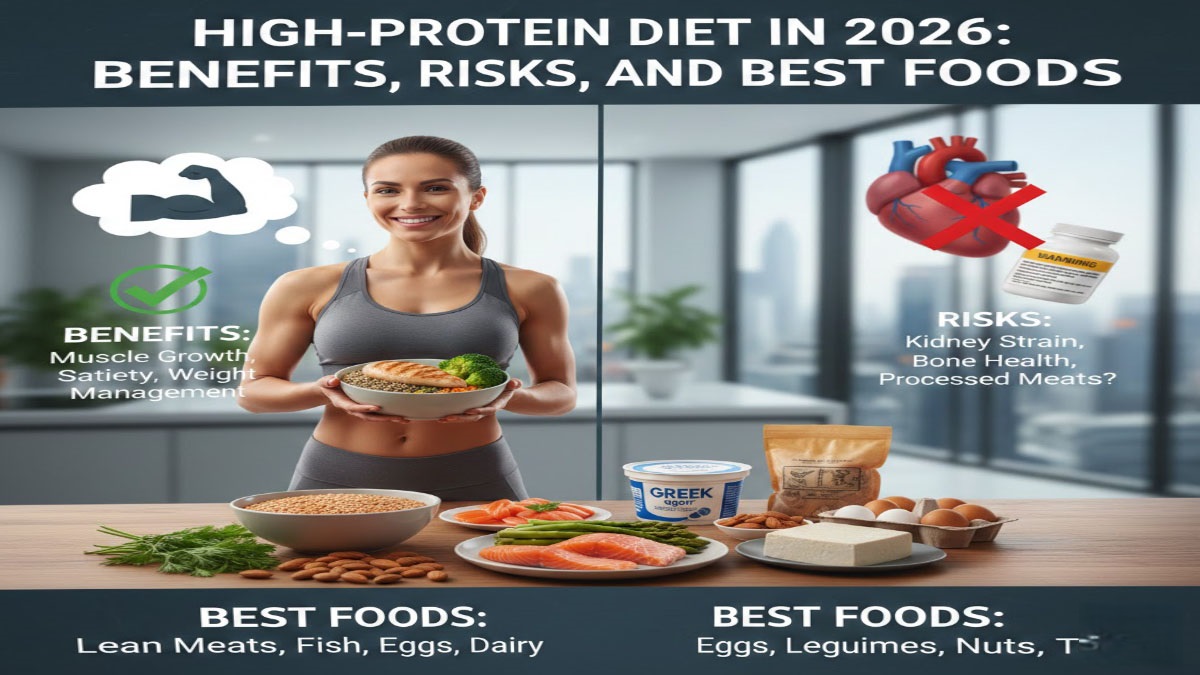
The Protein Paradox
Protein is having a moment. From bodybuilders to weekend warriors to grandparents, everyone seems to be focused on getting enough protein. High-protein diets are promoted for weight loss, muscle building, healthy aging, and more. But is more always better? And how much is too much?
In 2026, a comprehensive review from the International Society of Sports Nutrition (ISSN) and new research from leading universities have provided clarity on optimal protein intake. Here's what the science says about benefits, risks, and the best sources.
The 2026 Consensus
Key finding: Optimal protein intake varies by individual, but most adults benefit from 1.2-2.0g per kg bodyweight daily. Higher intakes (up to 3.3g/kg) are safe for healthy individuals but offer diminishing returns.
How Much Protein Do You Really Need?
Sedentary Adults
0.8-1.0 g/kg (minimum for health)
RDA minimum to prevent deficiency. Adequate for non-active individuals.
Active Adults
1.2-1.7 g/kg (optimal range)
Supports muscle maintenance, recovery, and general fitness.
Athletes/Bodybuilders
1.6-2.2 g/kg (optimal for muscle gain)
Maximizes muscle protein synthesis and recovery.
Older Adults (60+)
1.2-1.5 g/kg (combat sarcopenia)
Higher needs due to anabolic resistance. Preserves muscle mass.
Weight Loss
1.6-2.4 g/kg (preserves muscle)
Higher protein spares muscle during calorie deficit.
Pregnancy
1.1 g/kg early, 1.4 g/kg late
Supports fetal growth and maternal health.
Benefits of a High-Protein Diet
Muscle Growth & Preservation
Protein provides amino acids for muscle protein synthesis. Higher intakes (1.6g/kg+) maximize muscle gain during resistance training and preserve muscle during weight loss.
Weight Management
Protein increases satiety (fullness), reduces hunger hormones, and increases thermic effect of food (TEF) — you burn 20-30% of protein calories just digesting it.
Bone Health
Contrary to old myths, higher protein intake improves bone density when combined with adequate calcium. Protein provides structure for bone matrix.
Metabolic Health
Higher protein diets improve blood sugar control, reduce triglycerides, and may lower blood pressure in some studies.
Healthy Aging
Older adults with higher protein intake maintain muscle mass, strength, and physical function longer, reducing fall risk.
Recovery
Athletes recover faster with adequate protein, reducing muscle damage and soreness after intense exercise.
Risks and Considerations
Kidney Concerns
In healthy individuals, high protein does NOT damage kidneys. However, those with existing kidney disease should limit intake. Always consult a doctor if you have kidney issues.
Dehydration
High protein increases urea production, requiring more water for excretion. Drink extra water (aim for 2-3L daily).
Calcium Loss (Temporary)
High protein temporarily increases urinary calcium, but long-term studies show no harm to bones when calcium intake is adequate. Consume calcium-rich foods.
Digestive Issues
Rapidly increasing protein can cause bloating, constipation. Increase gradually and include fiber-rich sources.
Nutrient Displacement
If protein crowds out fruits, vegetables, and whole grains, you may miss essential nutrients. Balance is key.
Saturated Fat
Some high-protein foods (red meat, full-fat dairy) are high in saturated fat. Choose lean sources.
Best High-Protein Foods (2026 Ranking)
Chicken Breast
Lean, versatile, affordable. Skinless for lower fat.
Salmon
Heart-healthy fats, vitamin D, B vitamins.
Eggs
Complete protein, affordable, versatile.
Greek Yogurt
High protein, probiotics, calcium. Choose plain.
Tofu
Complete plant protein, versatile, affordable.
Lean Beef
Iron, B12, zinc. Choose lean cuts.
Lentils
Fiber, iron, affordable plant protein.
Tuna
Convenient, lean, affordable. Limit to 2-3x weekly due to mercury.
Cottage Cheese
Slow-digesting casein protein, calcium.
Tempeh
Fermented soy, probiotic, higher protein than tofu.
Seitan
Wheat gluten, meat-like texture, high protein.
Shrimp
Very lean, quick-cooking, low calorie.
Protein Timing: Does It Matter?
The 2026 Consensus on Timing
- Total daily intake matters most. Get 1.6g/kg total before worrying about timing.
- Spread protein across meals: 20-40g per meal optimizes muscle protein synthesis.
- Post-workout: Consuming protein within 2-4 hours after training supports recovery, but the "anabolic window" is wider than previously thought (4-6 hours).
- Pre-sleep: 20-40g casein (cottage cheese, Greek yogurt) before bed may improve overnight muscle repair.
Sample Daily Distribution (150g protein)
- Breakfast: 30g (3 eggs + Greek yogurt)
- Lunch: 40g (chicken breast + quinoa)
- Snack: 20g (protein shake)
- Dinner: 40g (salmon + lentils)
- Evening: 20g (cottage cheese)
Plant vs Animal Protein: What's Best?
Animal Protein
- Pros: Complete amino acids, higher bioavailability, more leucine (key for muscle building)
- Cons: May be higher in saturated fat, environmental concerns
Plant Protein
- Pros: Fiber, phytonutrients, lower environmental impact, heart-healthy
- Cons: Incomplete proteins (combine sources), lower digestibility, need to eat more volume
2026 Research Conclusion
Both can support health and muscle building. Plant-based eaters need to consume slightly more total protein (10-20%) and combine sources (rice + beans, hummus + pita). The healthiest approach includes a variety of protein sources.
Special Considerations
Kidney Disease
Limit protein to 0.6-0.8g/kg under medical supervision. High protein can worsen kidney function in those with existing disease.
Liver Disease
Protein needs may be higher or lower depending on condition. Consult doctor or dietitian.
Gout
Limit purine-rich proteins (organ meats, some seafood). Choose dairy, eggs, plant proteins.
Pregnancy
Needs increase to 1.1-1.4g/kg. Crucial for fetal development. Spread across meals.
Sample High-Protein Meal Plan
2,000 Calorie, 150g Protein Day
Common Protein Myths Debunked
Myth: "High protein damages kidneys"
Truth: Safe for healthy kidneys. Only problematic with existing kidney disease.
Myth: "You can only absorb 30g per meal"
Truth: Your body absorbs and utilizes protein from any meal size. The excess is used for energy or stored.
Myth: "Plant protein is incomplete"
Truth: Combining sources across the day provides complete amino acids. Not necessary to combine at every meal.
Myth: "More protein = more muscle"
Truth: There's an upper limit. Beyond ~2.2g/kg, extra protein doesn't build more muscle without resistance training.
The Verdict: Protein in 2026
Key Takeaways
- Optimal intake: 1.2-2.2g/kg depending on activity level and goals
- Spread it out: 20-40g per meal, 3-4 meals daily
- Best sources: Variety of lean meats, fish, eggs, dairy, legumes, tofu
- Benefits: Muscle, weight management, bone health, aging
- Risks: Minimal for healthy people; kidney patients need caution
- Myths debunked: Safe for kidneys, no absorption limit, plant protein works
The Bottom Line
The 2026 research is clear: most people benefit from higher protein intake than the outdated RDA. For active individuals and older adults, 1.6g/kg is a solid target. For bodybuilders and those in a calorie deficit, up to 2.2g/kg provides additional benefits.
Protein is safe, effective, and essential. Focus on whole food sources, spread intake throughout the day, and pair with resistance training for best results. Your muscles — and your metabolism — will thank you.
Quick Start Guide
- ✓ Calculate your target: bodyweight (kg) x 1.6 = daily grams
- ✓ Include protein at every meal (20-40g)
- ✓ Choose lean sources most of the time
- ✓ Drink extra water (2-3L daily)
- ✓ Combine with resistance training for muscle
- ✓ Adjust based on goals and how you feel